
Fed Raises Interest Rates for the First Time Since 2023
The U.S. Federal Reserve (Fed) raised interest rates by 0.25% for the first time since July 2023, with FOMC members voting unanimously 12–0. The Fed noted that inflation remains elevated, while economic activity continues to show resilience, supporting the continuation of a restrictive monetary policy.
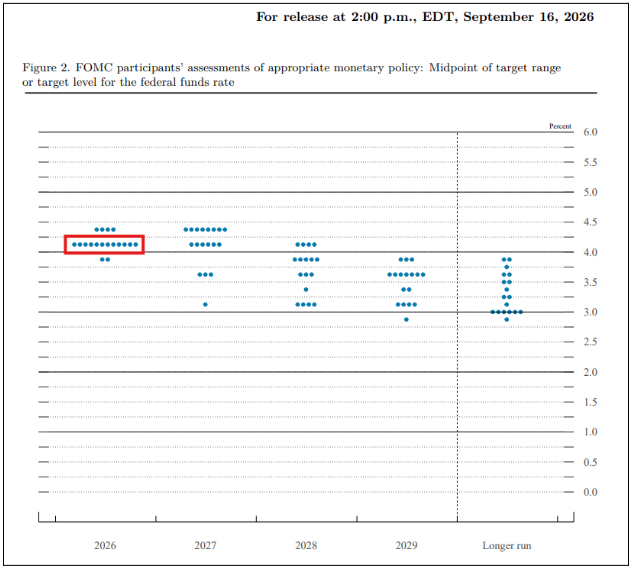
In general, higher interest rates can put pressure on gold prices because gold is a non-yielding asset. When interest rates rise, the opportunity cost of holding gold can also increase. Meanwhile, the Dot Plot indicates the possibility of one additional rate hike in 2026, while the median projection for 2027 remains at 4.1%.
BoE Holds Rates While BoJ Raises Rates
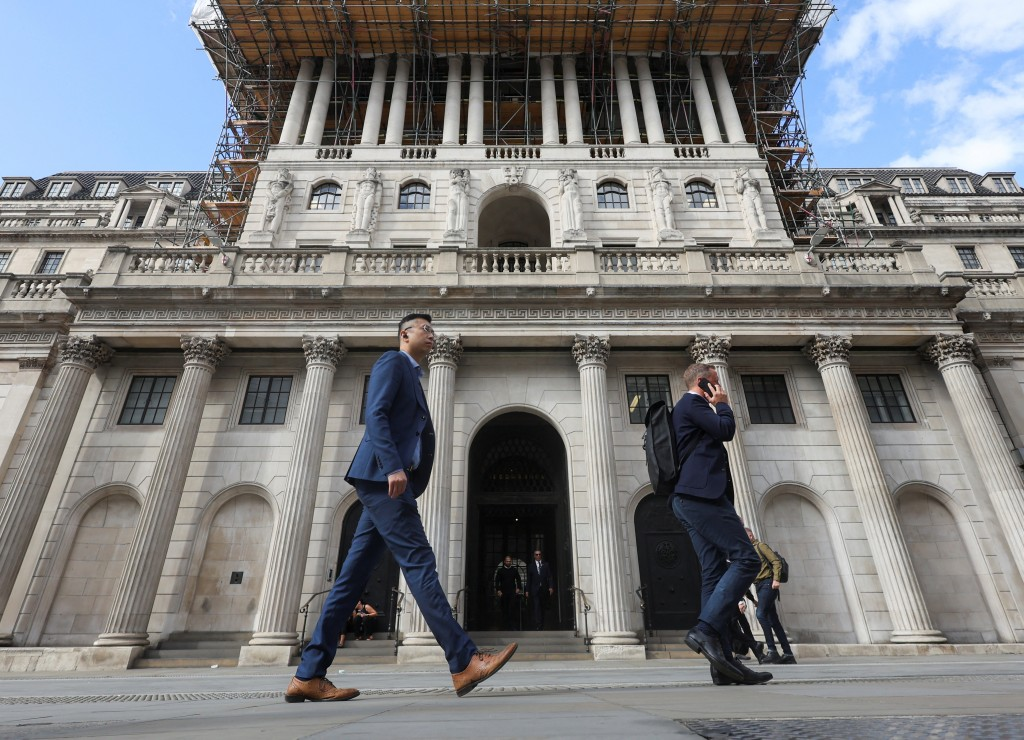
The Bank of England (BoE) kept its benchmark interest rate unchanged at 3.75%, marking the sixth consecutive meeting at this level. However, the decision was split 6–3, with three members voting for a 0.25% rate hike to 4%. The BoE highlighted rising energy prices linked to the ongoing conflict in the Middle East as a key inflation risk, noting that inflation could remain elevated for longer if energy prices stay high.
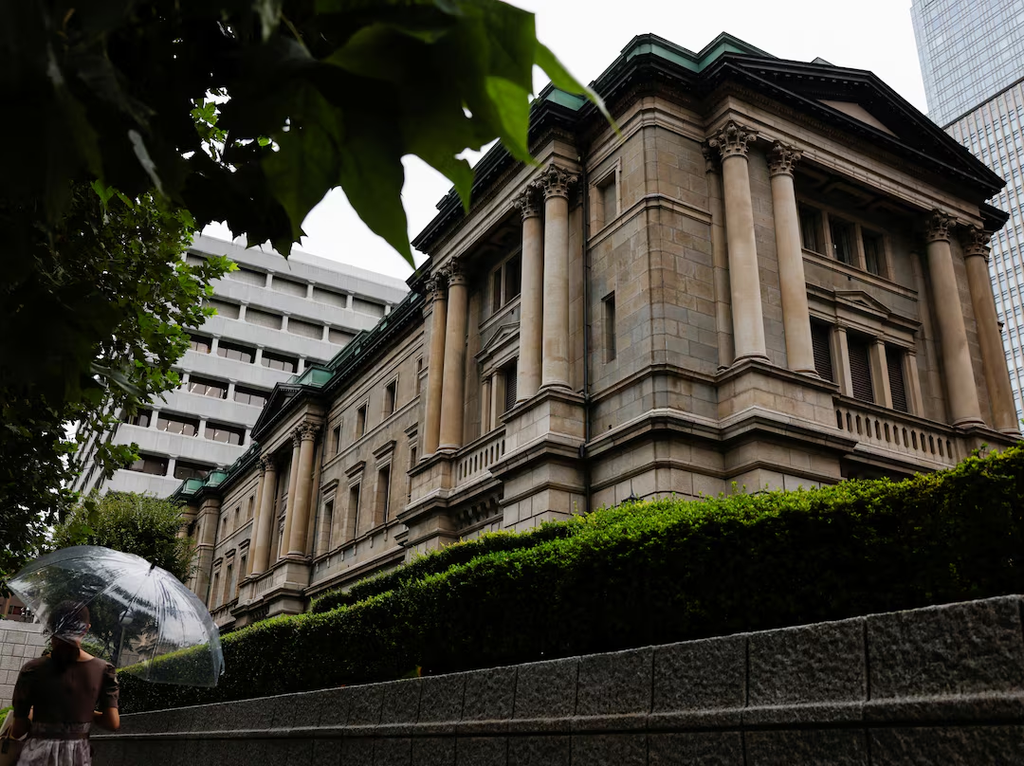
Meanwhile, the Bank of Japan (BoJ) raised its policy rate from 1.00% to 1.25%, the highest level in 31 years, with a 7–2 vote. The move was widely expected and was aimed at limiting the risk of inflation exceeding the BoJ’s 2% target.
Despite the BoJ’s rate hike, USDJPY rose around 0.6%, indicating that the Japanese Yen weakened against the U.S. Dollar. This highlights that a rate hike does not necessarily mean a currency will strengthen, as market expectations and the outlook for future policy can also influence exchange rates.
For gold, both decisions reinforce the importance of global interest-rate expectations. Higher interest rates generally increase the Opportunity Cost of holding gold, since gold is a non-yielding asset, which can create pressure on gold prices.