
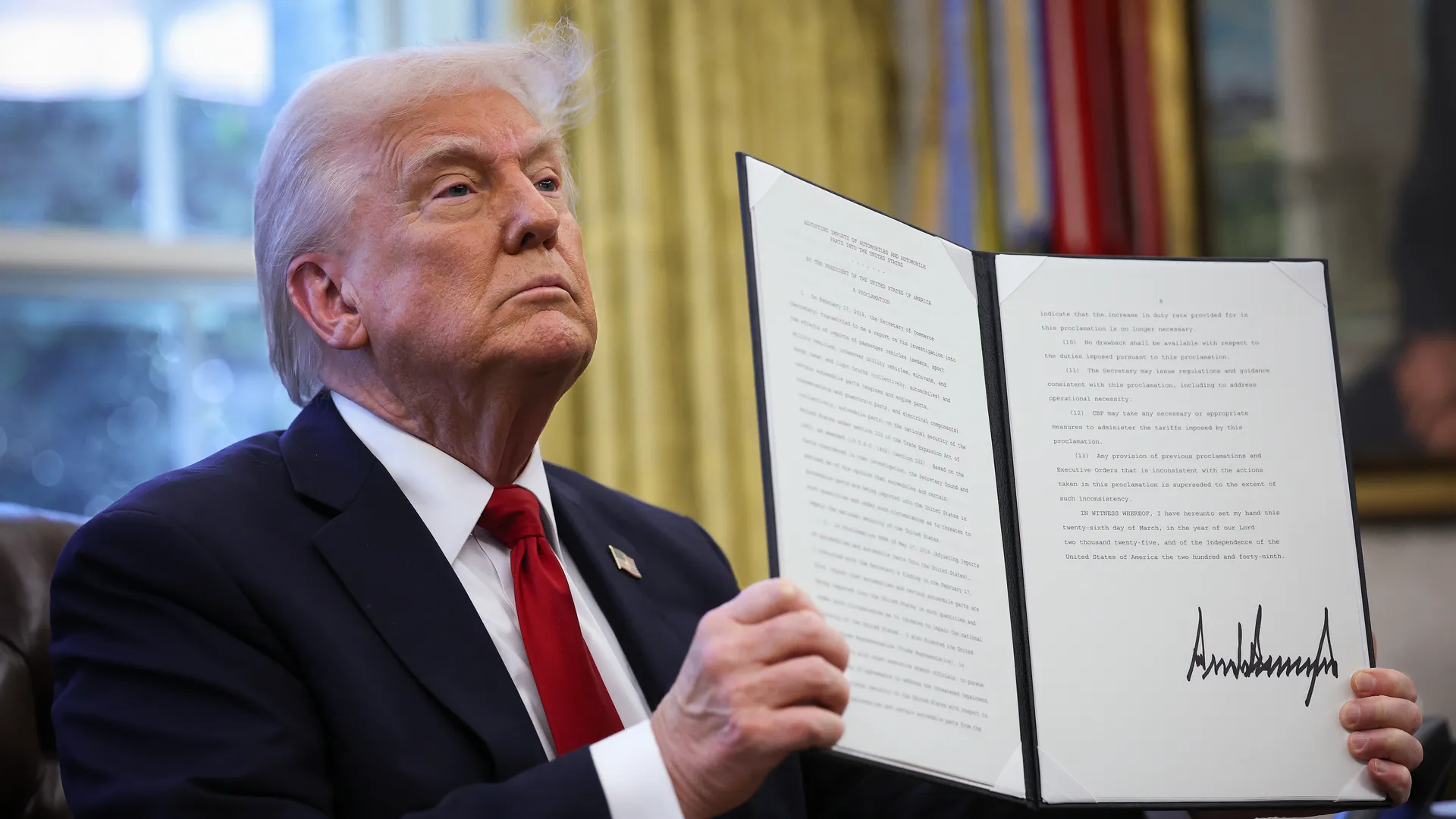
Two Factors To Consider Before Entering The Gold Market FOMC minutes The Federal Reserve was split between holding the interest rate and cutting the rate, given how the tariffs’ impact might be “one-time” rather than persistent and sticky. This suggests an easing in the tariff fear in June and July. This indicates a positive sentiment that the Federal Reserve did not rule out a rate cut, which could boost the gold price to some extent. Yet, as of now, the CME fedwatch tool has already thrown the July rate cut off the table with odds of 93.3% on holding while pricing in two rate cuts. So as long as Trump won’t escalate the tariff policies, these odds might be likely to come true, albeit we all know what will happen next. President Donald Trump’s trade policy On the flip side, President Donald Trump also imposed more tariffs on other major trading partners while claiming the possibility of having more escalating tariffs coming soon, later today—a.k.a. sending out more tariff letters. Other than that, Trump also repeated the urging to lower the interest rate as soon as possible. Below are the countries that he imposed last night, with an effective date of August 01, 2025. That also applies to copper. In response, as part of the major exporter of copper, Mexico’s president, Sheinbaum, will discuss further in DC on Friday. So ever since Trump tried to invade the global trade agreement, gold has been on an upside trend as the uncertainty has led to an increase in safe-haven demand, such as gold. Therefore, an upward movement in gold last night was the result of Trump’s trade policies and his commitment to lowering the interest rate, while some factor from the FOMC also played a role.

Trump’s Tariff Digest: potential 50% Tariff on Copper and 200% in Pharma President Donald Trump planned to impose 50% tariffs on copper with the intention of bringing the copper production home, while leaving time for pharma to move their production to the US before imposing 200% tariffs on it. The effective date will likely be later in July or August 01st, the same date as other trade agreements. The intention is clear: “create more production in the US,” as he believes that demand for industrial metal with data centers, automobiles, or more will significantly increase in the coming year. Therefore, threatening with border tariffs while leaving 0% tariffs on US production will likely benefit the US in the very long term. Who might be affected? As per Morgan Stanley’s research and Bloomberg, “Chile is the largest import source, accounting for 38% of total import volumes, followed by Canada at 28% and Mexico, with an 8% share. Therefore, increasing the tariff on copper → price increase → production might be very limited, particularly in countries such as Chile, Canada, and Mexico. Potential Stock market Watch out for TESLA and NVIDIA. GOLD price reaction The gold price has been sideways and has not reacted much after the news release. Therefore, the market might possibly digest later on. Extra News: Trump repeatedly threatened countries in the BRIC with an additional 10% tariff, and that also includes Russia, which has evidently fallen out of his favor, except for China. However, do consider other news, including a delay in the trade agreement, a potential ceasefire, and a delay in the Federal Reserve rate cut that might potentially push the gold downward as well. And vice versa.
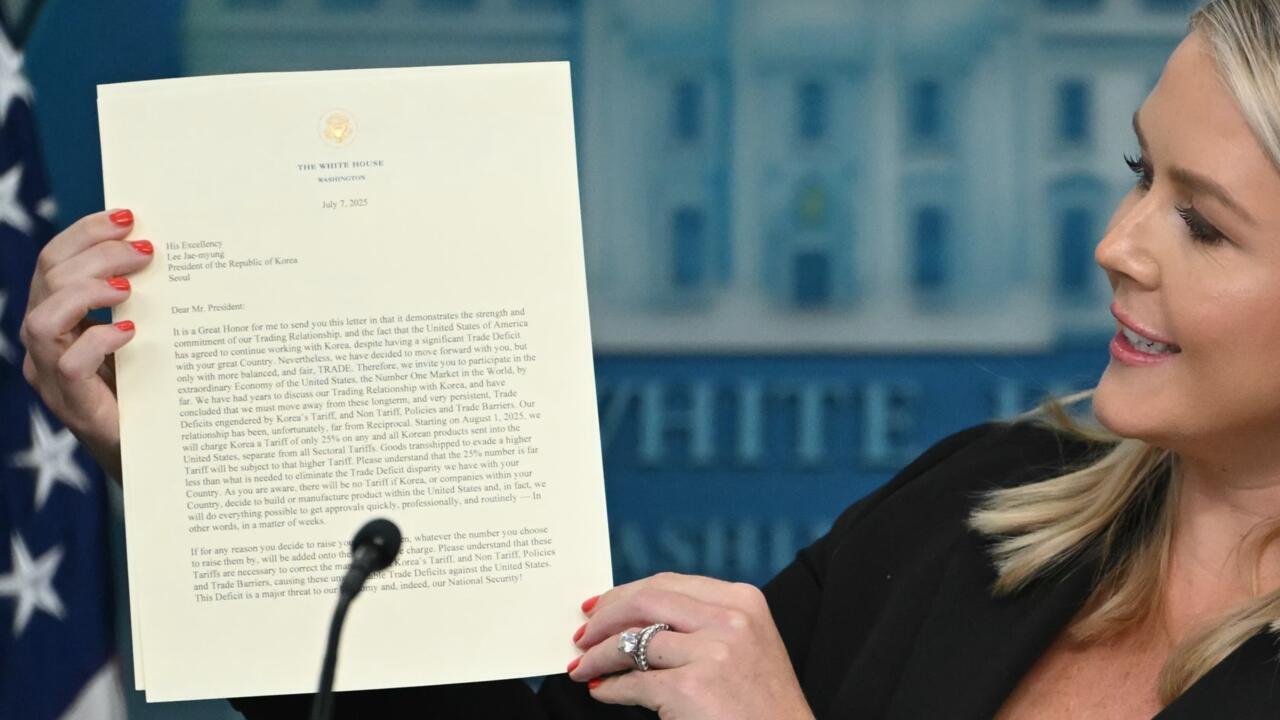
Extension of Trump Tariff Adjustments Announced: Effective in Early August Tariff Letter Ahead of the tariff 90-day pause deadline, Trump officially announced his tariff on the neighboring countries, including Japan, South Korea, Cambodia, Thailand, etc., with the effective date of August 01, 2025. The universal tariff of 10% will come to an end, and all countries will face tariffs according to the image below, and if any of those who reciprocate do so, then they will face twice the percentage of the original tariff rate. For instance, both Japan and South Korea will be faced with 25% tariffs, so if they raise the tariff, a 25% levy will be added on top of it. This comes with what Trump has repeatedly claimed are “UNFAIR” trade deficits. Despite such an announcement, this could be seen in a very positive way, as this tariff extension will give more breathing time for the countries to negotiate further. But the worst part is whether the countries can negotiate this to settle on a reasonable countermeasure or not. Opinion One thing to keep in mind is that Trump is trying to leverage his deal to change the global trade, yet BRICs members also try to devalue the Dollar currency, albeit Trump threatened with a 10% tariff yesterday. So now comes the tricky part. If every country united as one, not only from BRICs but also from ASIA, the weight of negotiation will be heavier—a.k.a., the US will likely lower its leverage. Other Information: Trump hopes to secure the ceasefire deal with Israel about the recent conflict with Iran and Israel’s war in Gaza. With Trump’s tariff letter and possible ceasefire deal coming into place, the gold price has somewhat eased in the early Asian session. Even Samer Hasn, senior market analyst at XS.com, also stated that “There seems to be renewed optimism over potential trade deals that could de-escalate the global trade war.”
Weekly Data Summary Report As of July 07, 2025 Below is a summary of the United States, primarily based on critical events related to President Donald Trump, trade war, and war conflicts within the week. Disclaimer: Please note this is opinion-based; do not take it as investment advice. Key Highlight of the Week Trade Agreement:
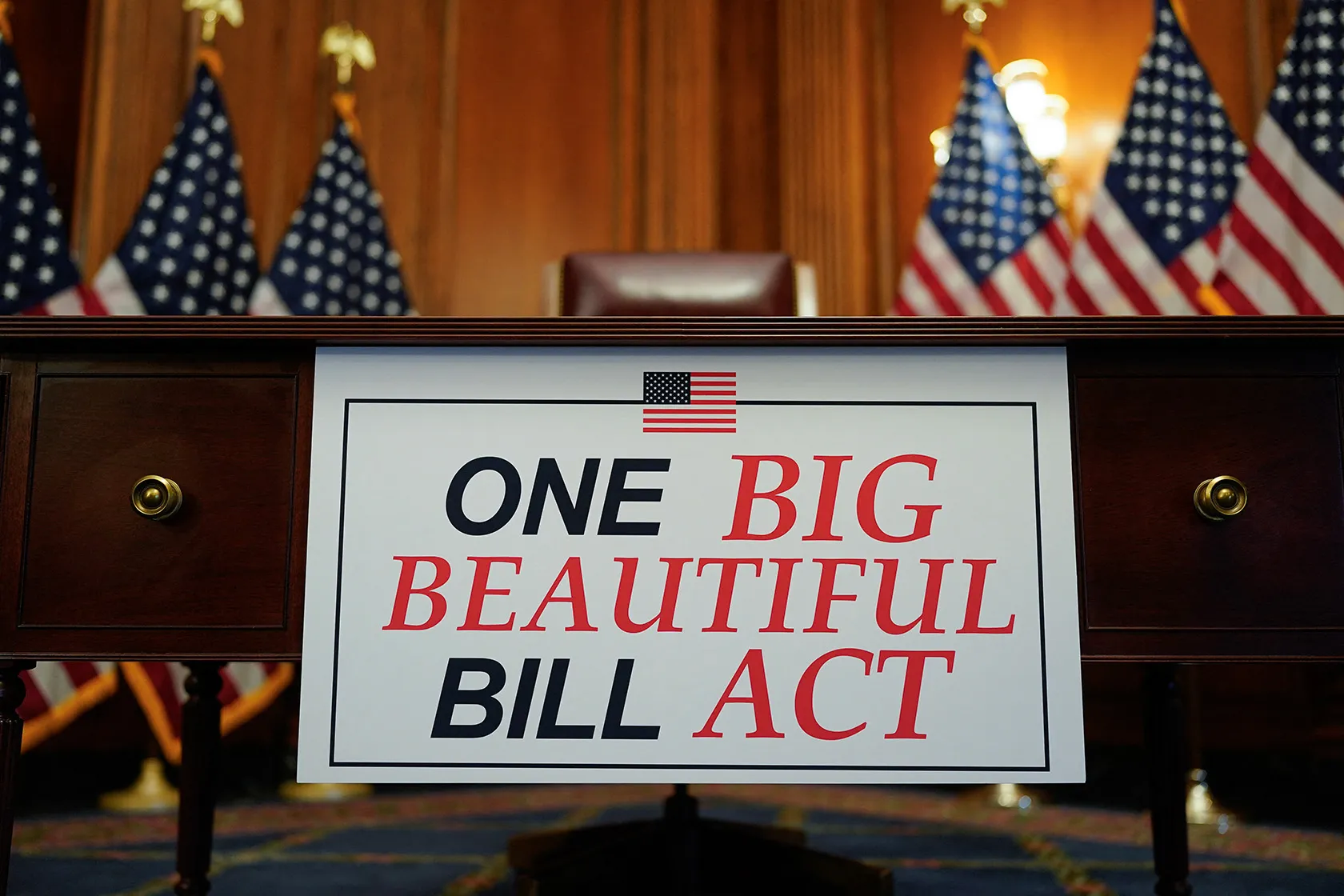
A growing concern over the approval of the “big beautiful bill” and mega spending has forced gold to rebound after the US employment report was released last night. The US Employment Report The US employment report, including the nonfarm payroll and unemployment rate, is showing positive signs for the labor market conditions, and yet, this could possibly be impacted by a high rise in the government sectors if we take a closer look at the private nonfarm payroll data and compare it with the ADP employment rate on Wednesday. The Big Beautiful Bill Another step closer to achieving the “big beautiful bill” and mega spending approval, and yet, this will raise the debt deficit with roughly 6% of the GDP in the next few years, as per Capital Economics’ Paul Ashworth. And even the US Treasury Secretary Bessent also cited that the debt-to-GDP ratio will be well into the 90% range by the end of Trump’s term. All of these signal a rising debt problem and a continuous inflation problem. ***The bill is expected to be signed on Friday at 5 pm ET (around 5 AM GMT+8) These two factors really give a mixed signal in the market and the Federal Reserve, as they need to weigh between holding and cutting the rate. One is strong labor market conditions and high inflation that restrain from cutting, and another is the debt problem, which may require cuts to revive the economy from falling into deeper debt piling. All in all, what we can really say is that now the markets are leaning toward holding the rate in the next meeting, which is set on 31 July. But the problem starts in September, which remains uncertain. Other information: Trump voiced his frustration with this progress and is also expected to call Ukraine on Friday and Iran within the next week. Although Trump did not disclose any detailed information about Putin’s call last night, what we do know is that they both discussed Iran and the Middle East situation. A few hours later, Russia launched another missile at Ukraine, causing casualties and slightly pushing up the gold prices.

Market Dose: What you should catch on. Here is what you should catch on: Vietnam and US trade news: Despite recent positive developments in US-Vietnam trade relations, gold prices continue to climb, currently reaching $3,366 per ounce. This rise occurs even as a new trade deal is set to de-escalate market tensions, granting duty-free access for American products while reducing tariffs on Vietnamese goods from 46% to 20% (a rate that was in place before a 90-day pause). This unexpected increase in gold prices could stem from a misconception among some investors that the tariff rate on Vietnamese goods has actually increased from the standard 10% universal tariff (which is set to expire next week) to 20%. Additionally, technical factors in the gold market may also be at play. US Labor Data And this upward gold price might also be factored in by an anticipation of the nonfarm payrolls data tonight, given how the ADP nonfarm employment changes declined to 33K last night. The NFP projection stands on the lower side compared to the prior figure, which also gives some room for the gold price to go upward. India and US trade news: Also note that, according to the Fox Business Correspondent, “we could get an announcement of a tariff deal with India as early as tomorrow,” hinting at the probability of having more agreement coming up before the deadline approaches. The Federal Reserve Trump continues to pressure Federal Reserve Chair Powell on lowering the interest rate while forcing him to resign from his position that is set to expire in May 2026. The CME Fedwatch Tool has priced in 3 rate cuts this year.

Recap everything in one scope: War Ceasefire, Trade War, Tax bill, and the United States Economy. War Ceasefire Despite having an agreement over the 60-day ceasefire from Israel, confirmed by President Donald Trump on his social account, there is no further comment from Gaza or Qatar yet. The market might take this as a de-escalation in the war tension; however, if the ceasefire breaks out once again, then we will likely see an increase in the death toll, and the gold price will also follow. Tax Bills The US Senate passed the tax and spending bills on Tuesday, although they are still in the legislative process and have not been fully implemented yet. However, if everything is approved by the House of Representatives, which Trump expects to finish around July 04, then this will pose a risk to the debt concerns and inflation problem, and the market already expects to see a deficit of over $3.3 trillion. → lower tax revenue and higher tax spending → factor in debt concerns and inflation problems. ***That’s also another reason why Powell doesn’t want to cut the rate. Trade War The US-Japan trade situation remains clouded, which is why Trump is now prioritizing the deal with India instead. He also suggested Japan pay a 30%-35% tariff rate, which triggered concerns over further escalation, especially when Japan holds the biggest US bonds. The United States Economy Everything shows a positive outlook for the US economy at a glance, except for the inflation. According to the purchasing managers’ index, business inflation is still climbing as a result of the tariffs’ impact, and yet they remain optimistic as some of the uncertainty has been cleared out. As for the Job market conditions, even with recent news showing more of the layoff situation from major companies such as Microsoft, the report continues to lean towards the positive side, with an increase in job openings while a drawdown slightly from the hiring activities and less on the total separations. And all of these combined with the unknown tariff impact have limited the Federal Reserve’s Powell from resuming a rate cut, albeit he declined to rule out the possibility at the July meeting. And that also means that as more inflation keeps the economy at risk while the labor market is skewing upside, the less likely the rate cut would be for now. As of now, the market is still priced in for three rate cuts this year, starting in September.
Tariff Deal Nears Deadline: Talks Intensify The deadline for July 08-09, 2025, is approaching for higher tariff rates, and many have now started their negotiation of tariff terms with President Donald Trump, including Japan, Canada, and other major trading partners. Canada: In just a few hours before the due date took effect, Canada halted its digital services tax on the US technology companies in exchange for resumed trade negotiations. As a result, Trump agreed to delay the deal from July 09 to July 21 for “reciprocal tariffs.” However, this allows only for Canada, while other major trading partners will stick to the same deadline. Japan: Although Japan rejects commenting on the 25% tariffs on autos, Japan will commit to further negotiations until the deadline, as rice shortages are still a big problem for them. This came after the US threatened to impose a fresh tariff on them if they didn’t accept more American goods, particularly in rice exports to Japan. As a matter of fact, Trump posted on his social media that, “They won’t take our RICE, and yet they have a massive rice shortage.” Regardless, the White House National Economic Council Director, Kevin Hassett, also cited the possibility of having a finalized deal with partners after the July 4 holiday. Aside from that, the tax cut is also approaching despite a disagreement from Musk due to an increase in the debt ceiling and US job deterioration. According to US Treasury Secretary Bessent, he stated, “I am confident that the tax bill will progress in the coming hours, and Trump will sign by July 4th.” So for now, our focus will be on the trade deal with other major partners, the tax bill, and labor data—aka the employment report this week.
Weekly Data Summary Report As of June 30, 2025
Weekly Data Summary Report As of June 30, 2025 Below is a summary of the United States, primarily based on critical events related to President Donald Trump, trade war, and war conflicts within the week. Disclaimer: Please note this is opinion-based; do not take it as investment advice. Key Highlight: The Market Reaction All of these factors are giving a mixed picture of the market’s direction. Yet, one thing for sure is that the weekly gold price declined by 2.49% as the truce between Israel and Iran began early in the week, albeit trade disagreements rebounded the escalating again after the market closed. Therefore, do watch closely on Monday’s reaction to the weekend news.
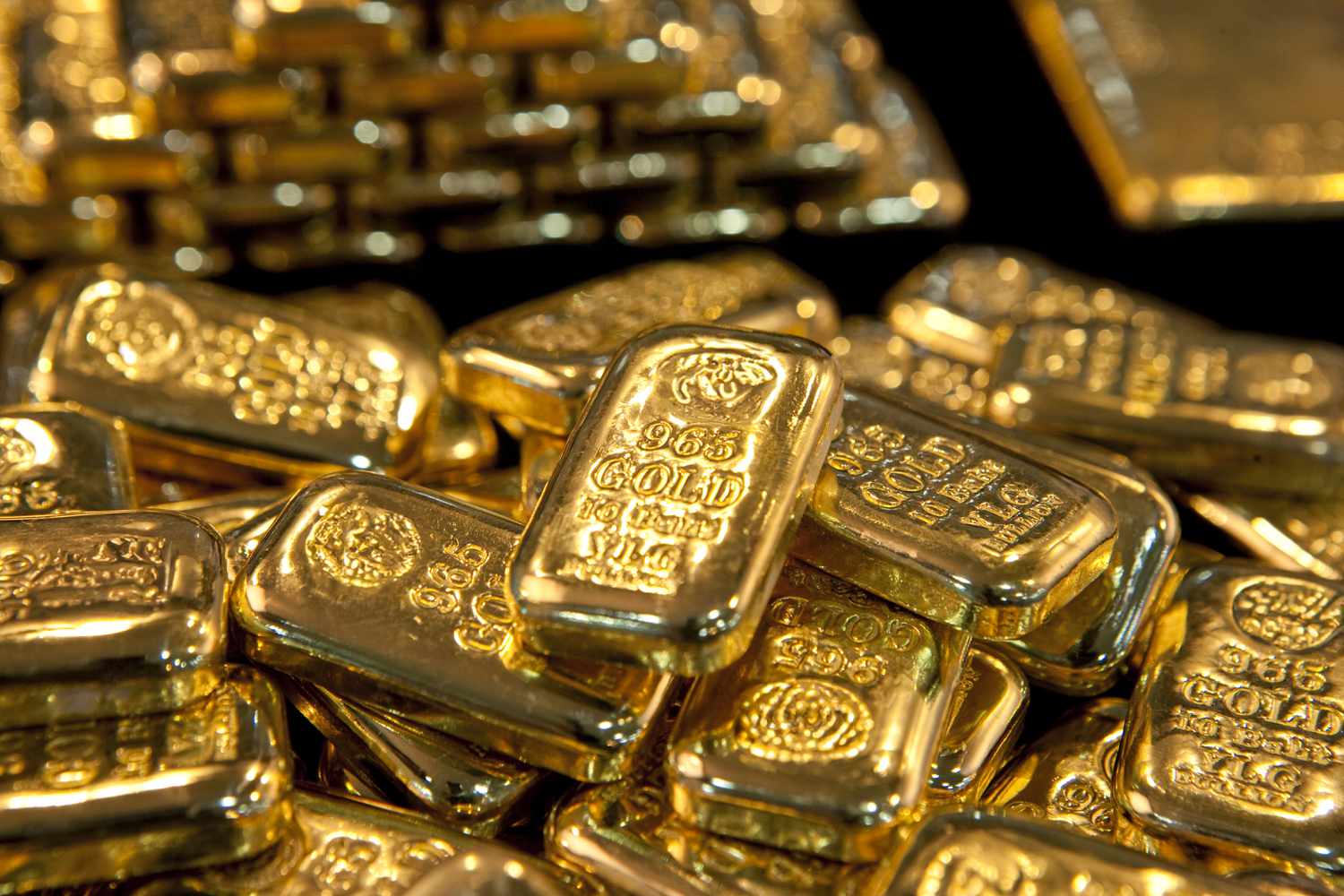
Gold price dove lower as de-escalation came.
President Donald Trump might ease his “maximum pressure” campaign against Iran while potentially opening up some path for the oil market, with an aim of avoiding an oil price surge. This is a partial plan to de-escalate tensions with Iran and bring them back to the negotiating table for a future nuclear deal with the US. As per Iran’s Foreign Minister Araghchi, “If it serves Iran’s interests, we will return to the negotiating table.” According to Dina Esfandiary, Middle East geoeconomics lead for Bloomberg Economics, “Now Trump could be considering new talks with Iran, with the prospect of sanctions relief as a big carrot”. However, some believe that this could be a shift in policy rather than a relaxation of restrictions. Other than that, some sources cited that there is a signed agreement between China and the US, although none of it has been disclosed yet. Some believe that it might relate to the trade agreements before the 90-day pause ended. Furthermore, as stated by the WSJ news report, the EU is now considering lowering the tariff on US imports, which attempts to leverage its negotiation before the deadline is reached. Nevertheless, all of these are the factors in pushing the gold price to drop to roughly $3,307 per ounce, as the market viewed it as a de-escalation and easing of tension.