
Opinion: This might be an act to restrict Israel’s actions against other nations, especially when considering on recent conflict between Iran and Gaza. Opinion: Is it true? Iran is a major producer of crude oil and accounts for roughly 20% of the global oil in the Strait of Hormuz, so having this control over oil, would it not be better? But even if it does, it might not come easily. ***The skepticism was based on the market reaction and sentiment; no news was confirmed.***

Macro News: Israel and Iran’s Ceasefire and the Federal Reserve
According to CNN’s exclusive news, “Early US intel assessment suggests strike on Iran did not destroy nuclear sites,” which indicates a temporarily delayed Tehran’s nuclear program rather than fully destroying it, raising concerns about heightened regional tensions. President Trump dismissed this claim, asserting that the program was “completely destroyed,” and criticized CNN sources for spreading false information. Refresh News Looking back, Trump also repeatedly stated that “both Israel and Iran wanted to stop the war, equally.” Last night, hours after his announcement that “the ceasefire is now in effect” at 12:08 PM, all of these factors were keeping the gold prices lower before fully rebounding last night. Meanwhile, the Federal Reserve Chair, Powell, reiterated holding the rate longer as expected, possibly in September, until “the impact of new tariffs becomes clearer,” albeit other members, including Christopher Waller and Michelle Bowman, have also recently indicated they could support lowering rates. According to the CME Fedwatch tool, the odds of a 71.3% stand on the September rate cut, while leaving 81.4% in July holding. As per Thu Lan Nguyen, head of FX and Commodity Research at Commerzbank, “Gold price is resilient thanks to speculation about U.S. rate cuts.” The Market Reaction Regardless, Gold prices edged higher to around $3,329 per ounce in early Wednesday, while stock markets mostly rose as a ceasefire between Iran and Israel appeared to be holding firm for a second day.
Gold prices dipped after the potential ceasefire emerged
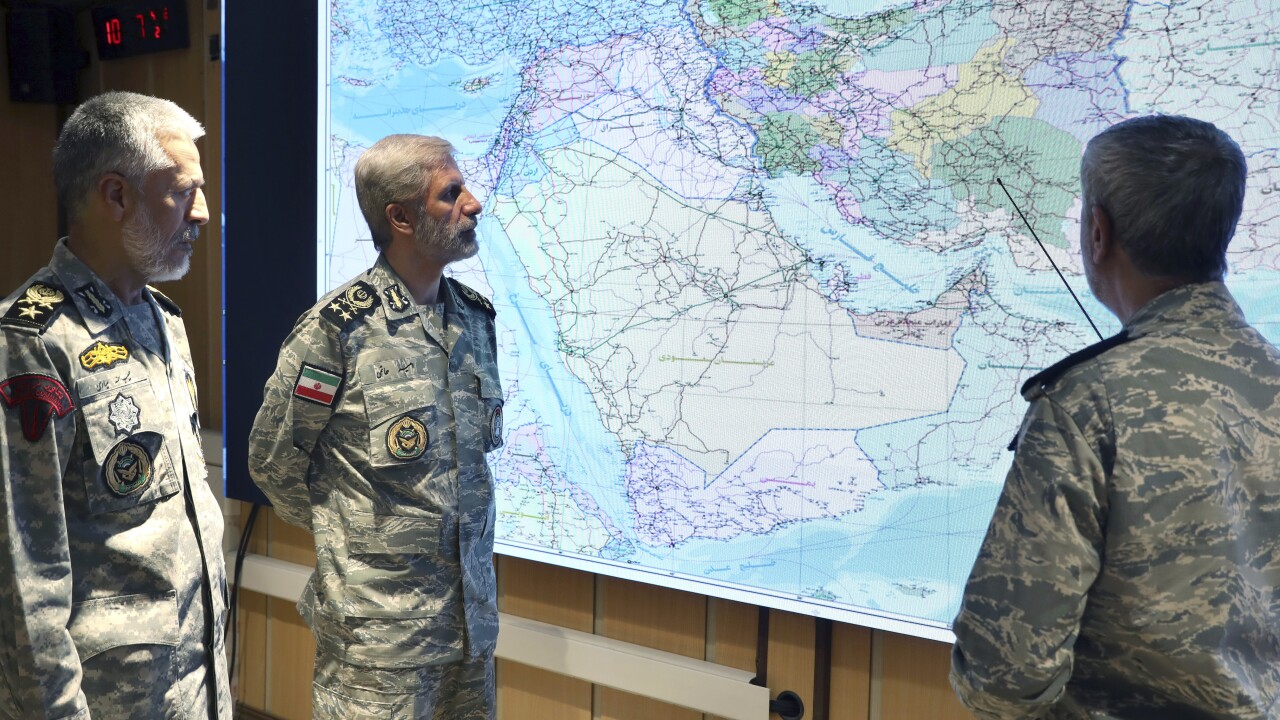
Gold prices dipped to below $3,355 per ounce as the potential ceasefire between Israel and Iran came into place, right after Iran fired a missile at Qatar and other nearby countries, although no casualties were reported. In fact, three Iranian officials cited that this attack had already warned the US and Qatar hours in advance, which aimed to prevent a further military response, namely, referring to the US military, as per an analyst from a former Pentagon official. And hours come after the confirmation from President Donald Trump’s post on his social media that “ceasefire is happening,” while the US has already settled now with Israel’s agreement and leaving Iran’s negotiation with Qatar. Therefore, this has led the gold price to take a downtrend after the potential Truce. Although there was no clear confirmation from Iran’s side, some reported that the Israeli military detected the launch of missiles from Iran toward its territory, as per Al Jazeera news. As a result, uncertainty remains. But one thing we can know is that geopolitical tension is the main market driver, which the trader shall closely watch out for in unexpected news and take a cautious approach to trading, such as reducing the lot size, limiting stop loss or profit, and more. Remember:
Weekly Data Summary Report As of June 23, 2025
Weekly Data Summary Report As of June 23, 2025 Below is a summary of the United States, primarily based on economic indicators, critical events related to President Donald Trump, and war conflicts within the week. Disclaimer: Please note this is opinion-based; do not take it as investment advice. On Sunday, President Donald Trump posted on his social media that he ”completed a successful attack on 3 nuclear sites in Iran,” targeting Iranian nuclear facilities, and yet, none on Iranian leadership, military bases, or critical infrastructure. As per Esfandyar Batmanghelidj, chief executive of the Bourse & Bazaar Foundation, a London think tank, this has concluded that “Trump still wants to avoid a full-blown war, especially one with regime changes as its goals”, reflecting that he desires to avoid the risks and costs of a large-scale war aimed at overthrowing their government—namely, World War III. Although Trump cited “the biggest damage took place far below ground” in his social platform, there were no signs of radioactive contamination, according to the IAEA. and this is unable to confirm Trump’s statement. Regardless, Iran also warned of retaliation through blocking the Strait of Hormuz—a critical waterway for global oil supplies. However, remember China is a key economic partner and Iran’s largest oil buyer; if Iran really retaliated by this method, China would be the most affected. Several analysts commented that this is a very unlikely scenario, as this may pose more of a threat to Iran. China also criticizes the US airstrike and is committed to being involved in the escalation. All of these are causing more panic in the market, and even the US State Department issued a “Worldwide Caution” alert for American citizens regarding travel disruption. Additionally, Matt Gertken, chief geopolitical strategist at BCA Research, also warned about the potential of an “oil shock” for an administration that could bring more economic costs to the United States. Other than that, the Federal Reserve decided to hold the interest rate last week, with the majority voting for a rate hold, saying that the pivot stance might not be in the near term and suggesting a cautious approach through tightening longer. While the labor market stayed solid, inflation expectations got higher due to the tariff problem. The odds of a rate reduction in September rose to 57.7%, leaving two rate cut projections this year, as per the CME Fedwatch Tool. Looking Forward: Opinion With all the recent events that have come into place—Trump’s involvement in Israel and Iran, which adds to the existing worries, and along with high inflation expectations—I just wonder if all of these are also one of his moves to make the Federal Reserve reduce the interest rate as well. Something I call a noise that risks the investor’s sentiment and puts the economic growth in a very bad spot, and forces the Federal Reserve to reduce the interest rate, as Trump desires? Remember, Trump wants low interest rates to help with the debt problem and deterioration in economic growth, which “MIGHT” require the FED to do so. Therefore, we need to keep our eyes on Trump’s movement, GDP, and inflation data this week.
War Tensions and Economic Shifts: US-Israel-Iran conflict and UK Monetary Policy
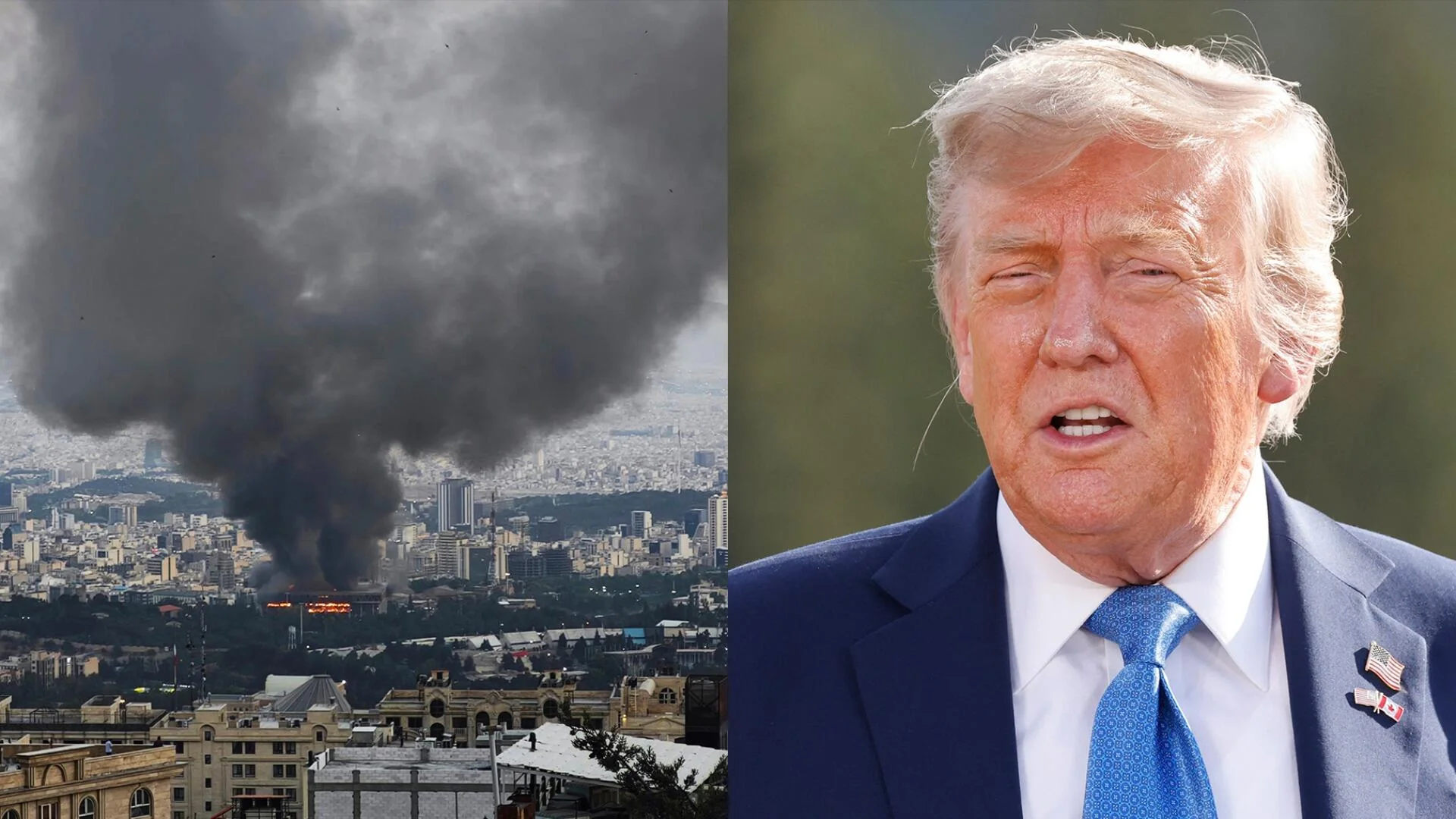
War Tension War is intensifying between Israel and Iran, leading to an increase in the death counts and escalation within respective countries. And while Israel has been seeking collaboration with the United States on the bombing involvement in Iran’s nuclear deal, the White House gave its word to decide whether to join or not within the next two weeks, as Trump believes in diplomatic solutions. With uncertainty still floating all over the place, the Israeli president also cited that “we know what to do” if the US intervention isn’t reached, confusing the market even more. Will “non-involvement from the US” crack their relationship? Further News: The Bank of England (BoE) Despite a rate hold yesterday, the dovish vote favored the rate cut more than we initially thought, with three votes in favor of lowering the rate, higher than the previous two votes, and six votes in favor of an unchanged decision. The decision falls under a softness in the labor market and economic growth. Even the BOE’s Bailey stated that, “What we need to see is that evidence of loosening in the labor market gets translated through into inflation.” However, they remain committed to monitoring the oil price that has been stemming from the Middle East.
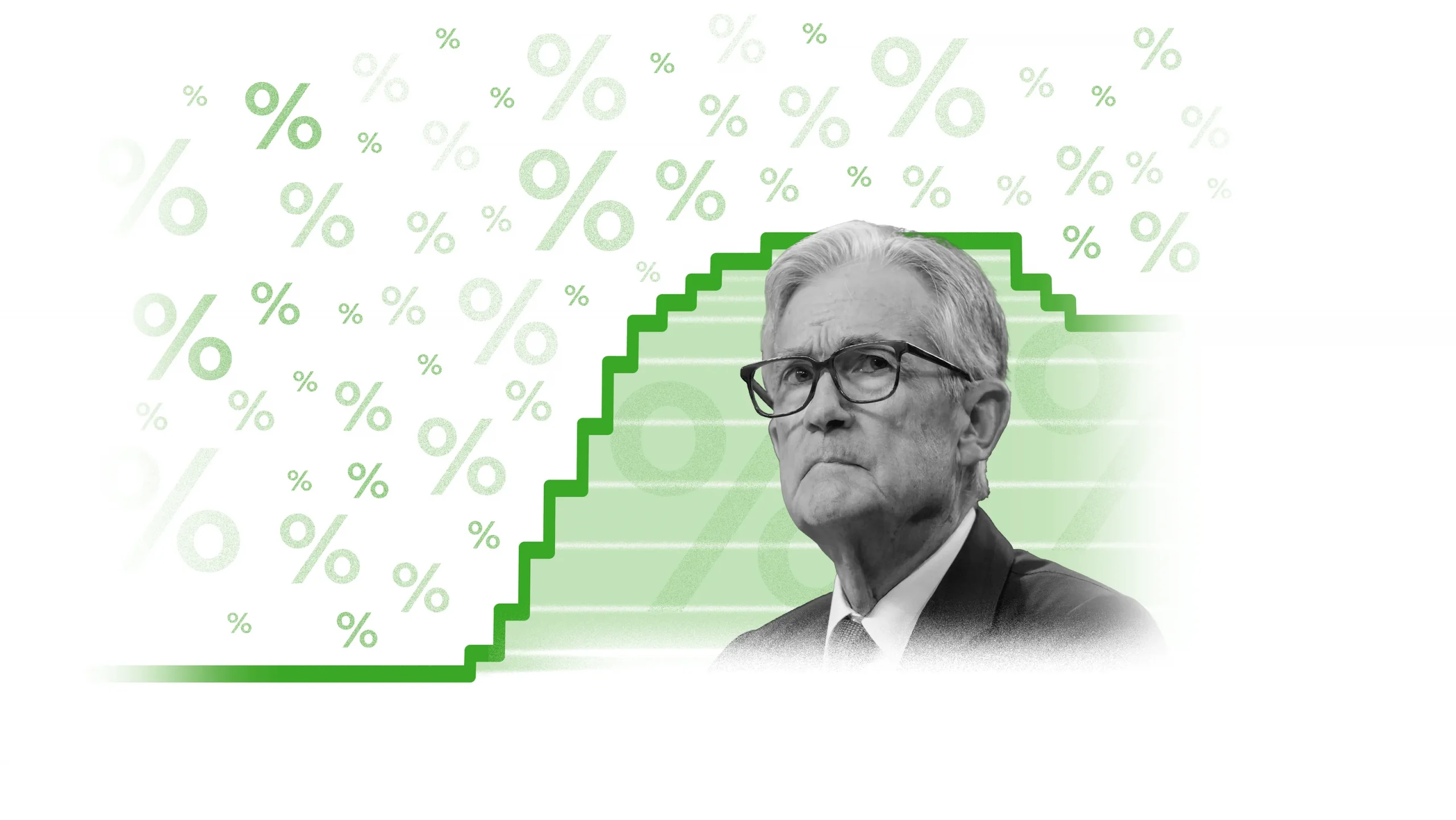
Market Dose: The Federal Reserve’s Rate, Trump’s intervention in Iran, Microsoft
The Federal Reserve President Donald Trump President Donald Trump is considering fighting Iran if the nuclear deal is not reached, although a final decision has not been made. Yet, the UK also stated that if the US intervenes in Israel and Iran’s fight, then the UK won’t sit still. As for Iran, He once said that he would counter the threat with another threat, meaning that if the US really intends to fight them, then they will strike back. Potential Microsoft Job reduction: Microsoft plans to reduce the jobs, particularly in the sales force, causing some uncertainty in the job market. After June 22, 2025, Russia and Ukraine will talk about a deal over the ceasefire.
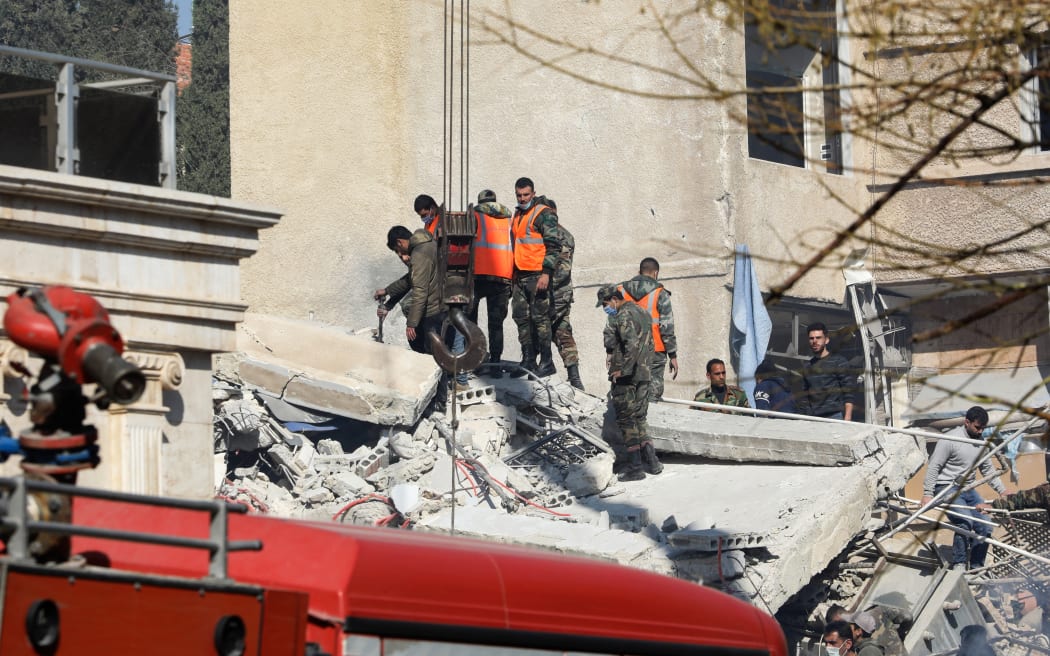
Trump’s Iran Nuclear Push, Middle East Tensions, and Trade Talks: A Global Economic Crossroads
Forward Looking: The Federal Reserve Rate decision is on Thursday at 1 AM GMT+7. Follow us to get the latest updates!
Weekly Data Summary Report As of June 16, 2025
Weekly Data Summary Report As of June 16, 2025 Below is a summary of the United States, primarily based on economic indicators, critical events related to President Donald Trump’s trade conflicts with other trading partners, and gold prices within this week. Disclaimer: Please note this is opinion-based; do not take it as investment advice. The United States From an economic perspective, both the consumer price index and the producer price index, which are known for inflation measurement, came in with softer-than-expected readings and bolstered the Federal Reserve’s rate cut bet even further, regardless of how several have warned of the risk. In fact, retailers like Walmart, Target, and Home Depot warned in early June of potential inventory depletion and price hikes due to tariff-damaged supply chains. This showed a potential return of inflation risk. As for labor market conditions, they remain solid but show early signs of cooling, resulting from the Federal layoffs and immigration restrictions. These two combined, we are seeing a risk of stagflation heading our way unless further inflation data continue to show a decline. Key market participants, including the Federal Reserve, are signaled to hold the rate high for longer, given the uncertainty still in the fog while tensions are arising from everywhere. The CME Fedwatch tool stands at 2 rate cuts this year, with the holding of this week’s rate decision until September. In the broader view, although China and the US have somewhat reached a framework for a trade agreement, geopolitical tension is now in focus, with Israel and Iran seeking an eye for an eye, accelerating further uncertainty in the market, and resulting in the recent high gold price. Opinion However, the most concerning part is that this escalation might not end so easily. Missile fires are everywhere, and death counts are increasingly high. China, the US, and other nations are showing support for their respective allies, so what if the market projects World War III and leads to a flight to safety or a risk-off environment? And when that happens, not only will the dollar index and stock market fall, but even the gold price might also drop as investors get off the market. Remember what happened in the last few months due to the trade war. Yes, if things spark further, this might happen again! And vice versa for ending the war or easing the tension, which could grant more certainty and lower the gold price. The market reaction Gold price gained by 3.17% last week as a result.

Gold Soars as Geopolitical Conflicts Escalate
A rise in geopolitical tension and economic uncertainty has once again pushed the gold price high to $3,441 per ounce, and here is what you should know about it. A reliable source reported that Israel has launched a preemptive strike against Iran, declaring a state of emergency and warning of potential missile and drone attacks as early as Sunday. A senior Israeli official signaled further escalation unless Iran agrees to a deal during the sixth round of nuclear talks scheduled this weekend. This heightened tension has driven gold prices upward since Wednesday, with potential for further increases if the situation deteriorates. So watch out for this weekend. This is factor 1. According to FXstreet, Trump is set to have a meeting of the National Security Council at 15 GMT on Friday to discuss the Israeli attack on Iran, which could influence market sentiment further. Factor 2 is that recent U.S. economic data revealed softer-than-expected Consumer Price Index (CPI) and Producer Price Index (PPI) readings, primarily due to lower service costs, such as airfares. This has led markets to anticipate an earlier-than-expected interest rate cut by the Federal Reserve. Which is why we are also seeing an updated figure in the CME Fedwatch Tool, which has added more expectation on having a rate cut bet. To sum up, these two factors are forcing their way in, putting upward pressure on gold prices. So as long as the escalation and uncertainty remain in the market, there is a high chance that gold will still make its way up. Other factors considered include the US-China trade deal, Russia-Ukraine, the Federal Reserve’s rate decision, etc.

One Chapter Ends, Another Begins
The market reaction So, despite having some easing tension between the US and China, some factors such as pressure to lower the interest rate and reacceleration in Iran and the US’s nuclear deal are pushing the gold price higher last night. Therefore, the GOLD price rose by over 1% to $3,376 per ounce.