
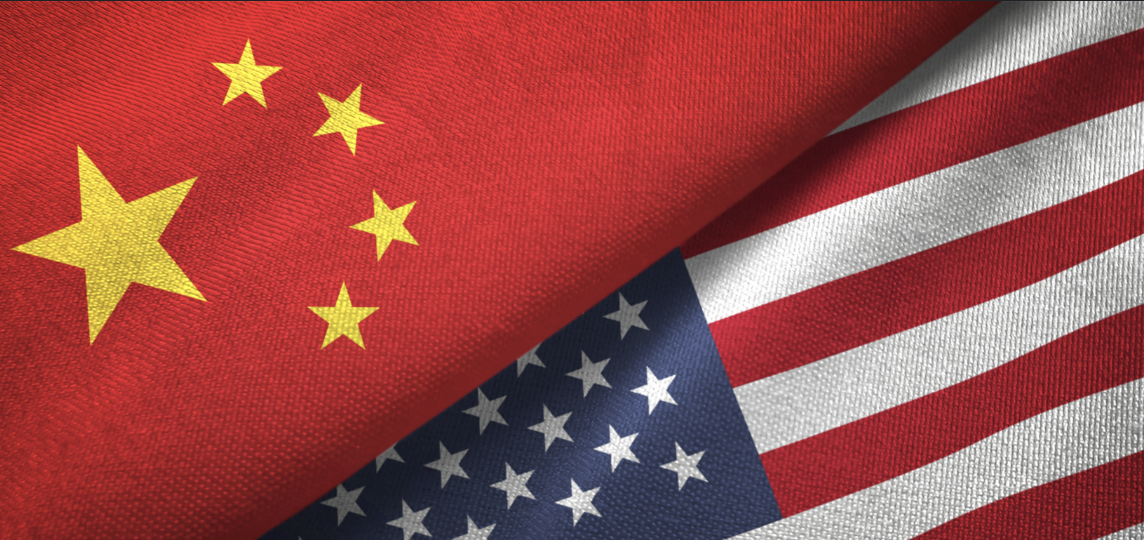
Yesterday, the US and China finally temporarily reduced respective tariffs, starting from 145% to 30% on China’s imported goods and duties from 125% to 10% on the US’s imported goods for three months, which will be signed on May 14, 2025. Although this agreement does not cover tariffs on cars, steel, aluminum, or pharmaceuticals, this comes as a huge step toward de-escalating the tension on tariffs between these two countries. In fact, President Donald Trump also mentioned that, “We will slash the cost of prescription drug prices. It could come down from 59 to 80 to 90%,” which also fuels more expectations of having an optimistic outlook. With that in mind, Goldman Sachs downgraded their odds of recession forecast to 35% after the US-China trade agreement was announced, which was a lot lower compared to the previous figure. Plus, they also expect to see the FED FUND rate cut in December instead of July. Even the CME Fedwatch Tool also reduced some probabilities of a rate cut as well. As a result, GOLD prices continue to skew lower, around $3,206 per ounce, as tensions ease further. So as long as both countries continue to keep steady and lower the tariff as promised, then a further decline in GOLD prices in the short term is likely. The only concern is re-escalation from both countries, which will push the GOLD prices higher if this happens. Further Data: The Consumer Price Index in the US will offer more insights about price changes.
Weekly Recap on GOLD prices and US Economic Conditions
Weekly Data Summary Report As of May 12, 2025 Below is the summary of the United States, which is mainly based on economic indicators, critical events related to President Donald Trump’s trade conflict with other trading partners, and GOLD prices movement within this week. Disclaimer: Please note this is opinion-based; do not take it as investment advice. The Federal Reserve used a “wait and see” approach by holding the interest rate high for longer, as they foresaw an upside risk of inflation and unemployment rate. The FED chair, Powell, cited that there is no data to support this yet. However, if these two come together, then a stagflation scenario is likely to emerge. As per Simon White, Markets Live macro strategist, “The Fed may be forced to cut rates this year if tariffs cause a recession.” Regardless, seeing the recent tariff progress and the war conflict come closer to easing, this has fueled more confidence and expectations on growth that could avoid any recession, aka debt deficit and high inflation. Therefore, this has forced the recent gold prices to fall significantly. Crucial Information in detail you should be aware of: So what is the catch here? The GOLD downfall in the short term is likely to continue unless more escalation of war or tariffs on China or demand from China rises. Meaning that if a ceasefire comes as expected and the US and other major trading partners agree to reduce the tariff, GOLD prices will continue to fall in the short run. Therefore, many are still looking forward to the China-US talks on Sunday in detail, along with other major parties that play roles in war conflicts. Other than this, Japan, South Korea, and Vietnam will be on Trump’s trade agreement priority list. Japan’s Prime Minister Shigeru Ishiba intends to reach a trade agreement with the US in July, given high concerns about auto tariffs, Asahi reported over the weekend. Friendly reminder, Japan holds the “US treasury cards” for the negotiation. The Market reaction: Gold prices still gained +3.10% this week, despite a shortfall at the end of the week.
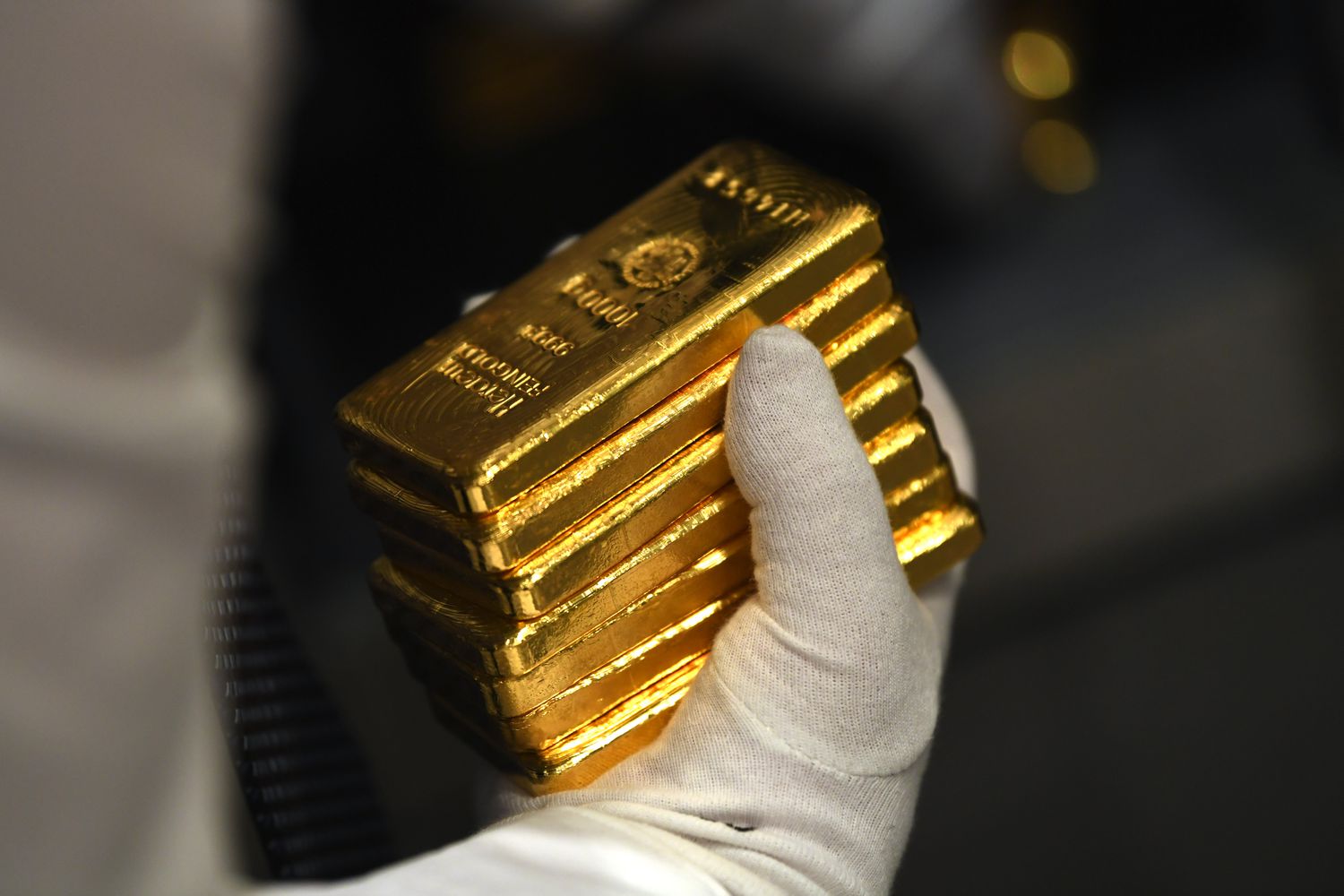
Gold Prices Drop as Trade Tensions Ease and Ceasefire Hopes Rise
Gold prices slumped further as tension on the trade agreement and war conflict eased, with major factors such as below: Looking Forward:
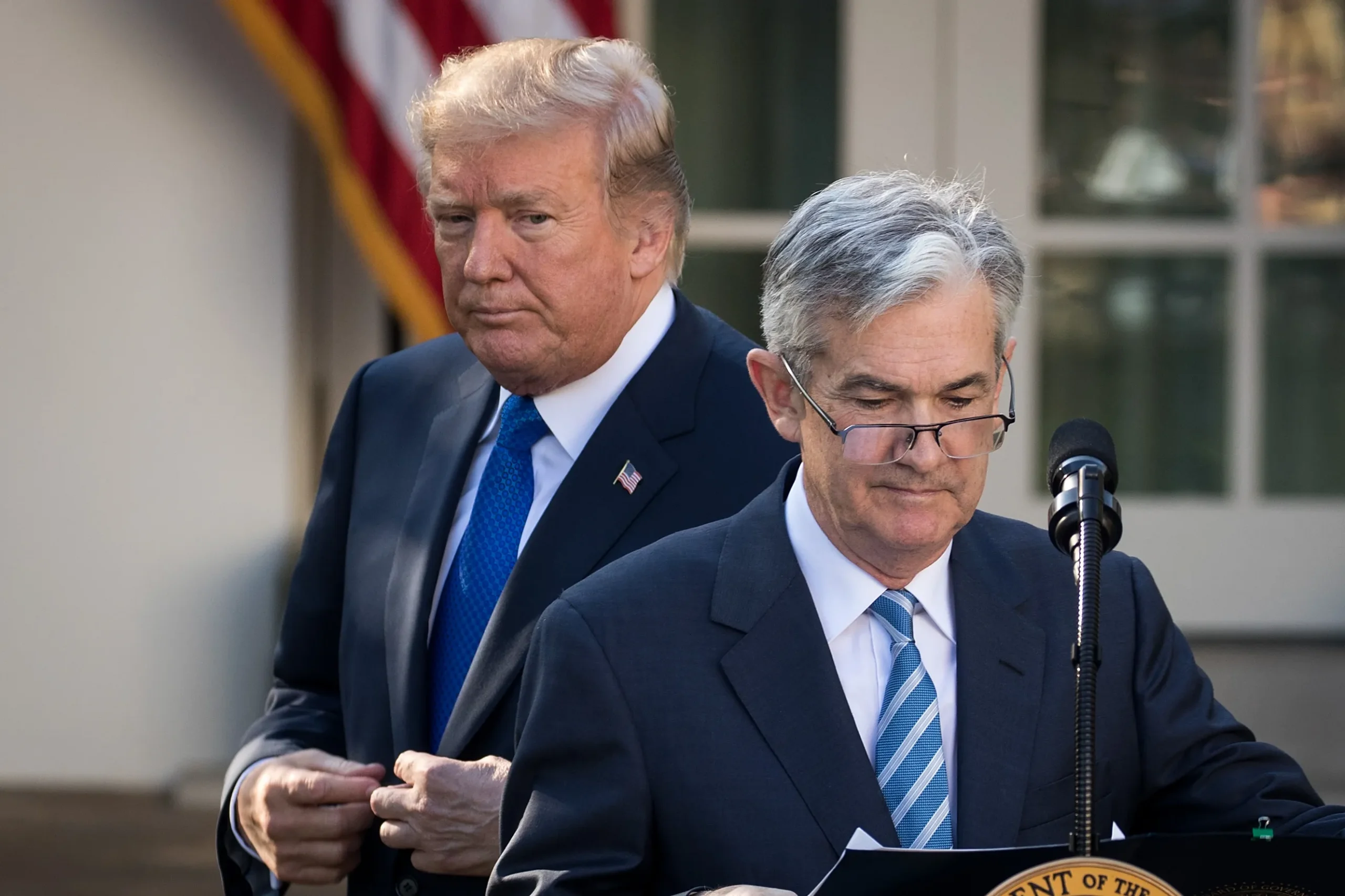
Market Dose: Federal Reserve’s May 2025 Rate Decision and Trump’s action
Market Reaction: Other Important News:
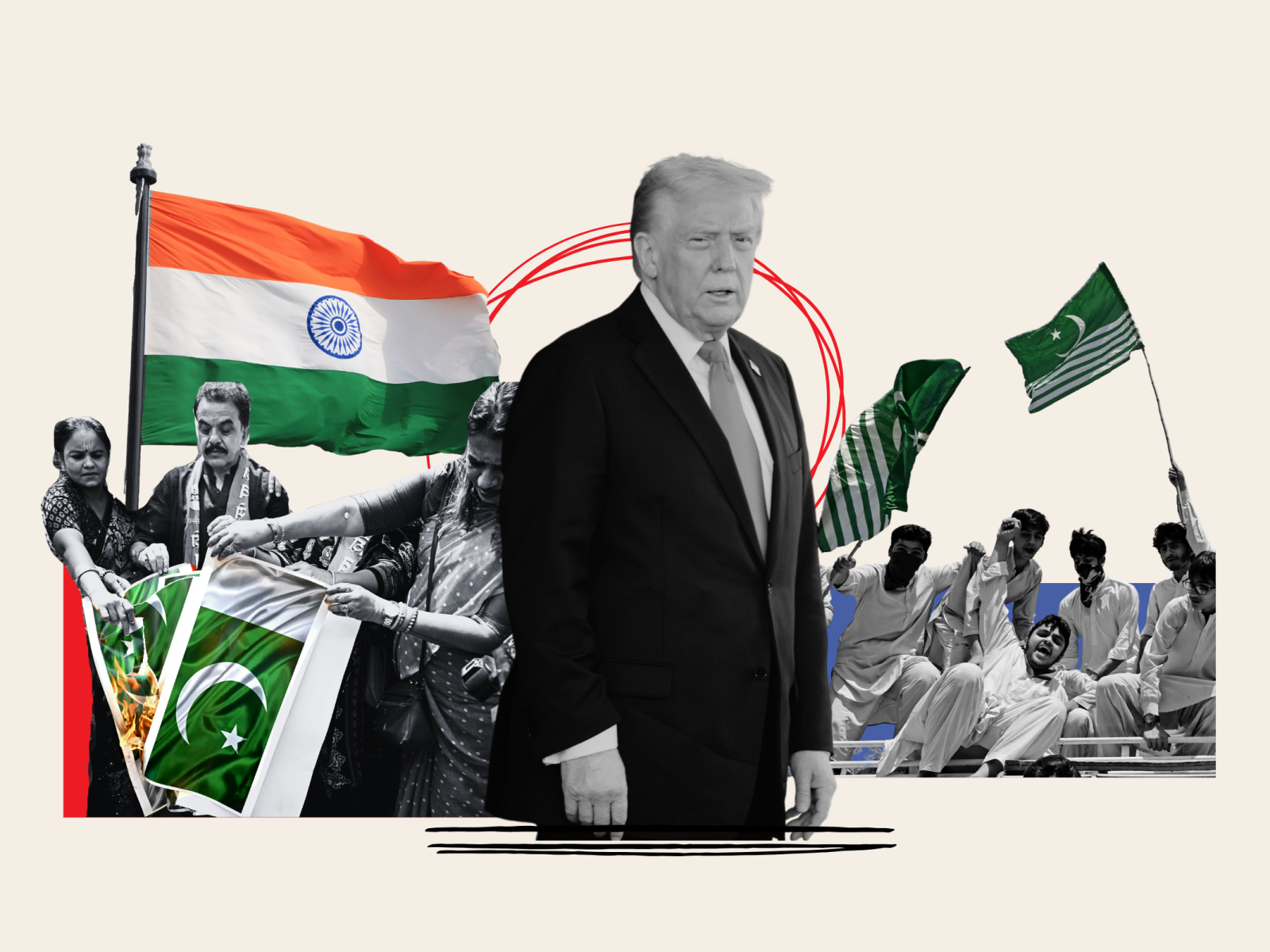
Global Tensions and Trade Talks: India-Pakistan Conflict, Houthi Actions, and Key Economic Moves Drive Gold Prices
War Tension: India and Pakistan: War broke out once again between India and Pakistan, and both parties currently have no intention of making any peace deal yet. The conflict was sparked by a militant attack in Kashmir last month that killed 26 people, with India blaming Pakistan and Pakistan denying involvement. Along with the ongoing Israel and Yemen conflict, this geopolitical tension will likely continue accelerating the gold prices if both escalate further. Moreover, the India Defense Ministry will hold a briefing at 10 am local time (IST). Tariff: Don’t Miss out:
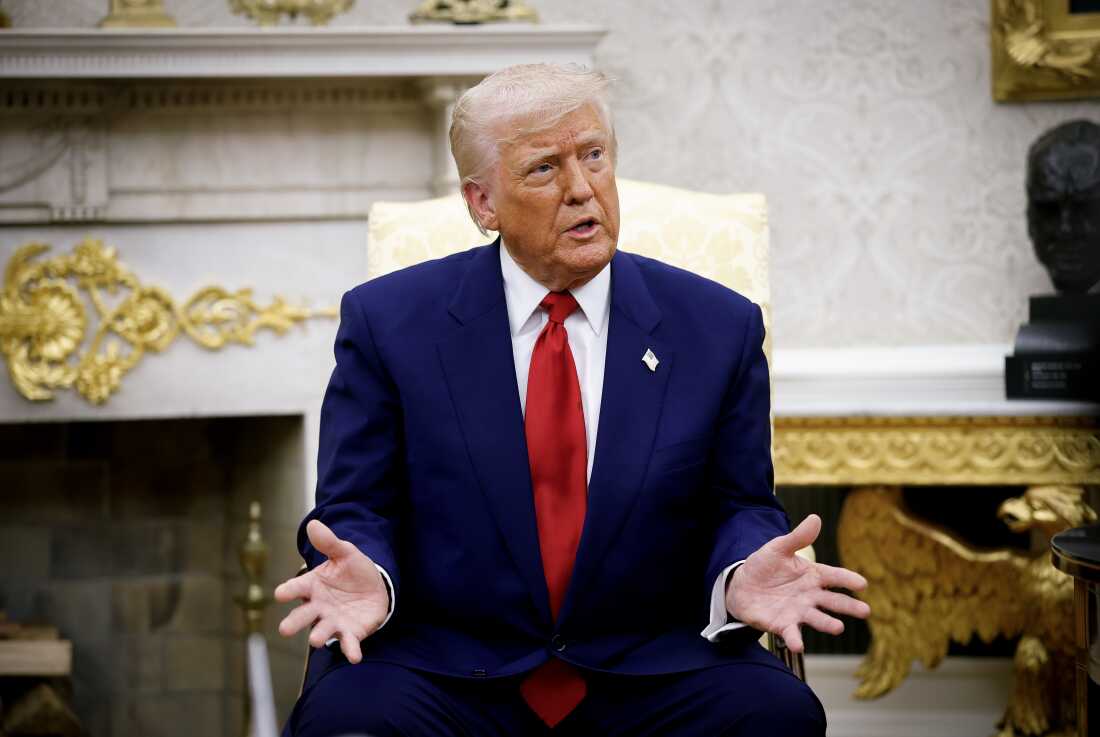
Middle East Tensions and Trump’s Diplomacy
Key Events to Consider: Forward-Looking:
Weekly Data Summary Report As of May 02, 2024
Weekly Data Summary Report As of May 02, 2024 Below is the summary on the major economies, such as the United States and Japan, which is mainly based on the economic indicators, critical events related to President Donald Trump’s trade conflict with other trading partners, and other important events. Disclaimer: Please note this is opinion-based; do not take it as investment advice. The United States Although the labor data are often seen as a very crucial event that will cause so much volatility in the market, they are still unable to counteract the volatility coming from Trump’s news and Federal Reserve speeches. In fact, what we are seeing right now is that the labor market conditions are showing signs of weakness in many other data while the pricing is still relatively high above the restrictive level, which could continue to lead to degrowth. Especially now, everyone still fears the recession risk, which is seen through contractions in GDP, plummeting consumer confidence, and weakening of the Dollar currencies that were driven by Trump’s tariff policies, inflation fears, concerns about the Federal Reserve’s independence, and global uncertainty. So what are these showing us? → Easing tension would lead to stronger Dollar currencies → More uncertainty and tension would favor gold, especially when Trump continues to pressure Iran’s oil through secondary sanctions. But one thing to note is that Trump is still committed to having lower interest rates and is likely to impose more tariffs on other imported goods, which could lead to higher gold prices in the long-term perspective. As a matter of fact, he imposed a 100% tariff on foreign movies, which aims to boost production in-house. Looking Forward: Japan The Bank of Japan maintained the interest rate unchanged at 0.50%, given the uncertainty stemming from Trump’s tariffs. Yet, the hidden cards from Japan’s $1 trillion in US Treasury holdings could be a powerful tool in trade negotiations and used as currency interventions. Now, all eyes are on Japan, as they will wield the most powerful tool in either making the USD weaker or stronger. In fact, Ueda also cited that, “If Trump makes tariffs zero or at a low level, then a quicker rate hike could be possible.” Some analysts are expecting to have one to two additional rate hikes this year. Other News:
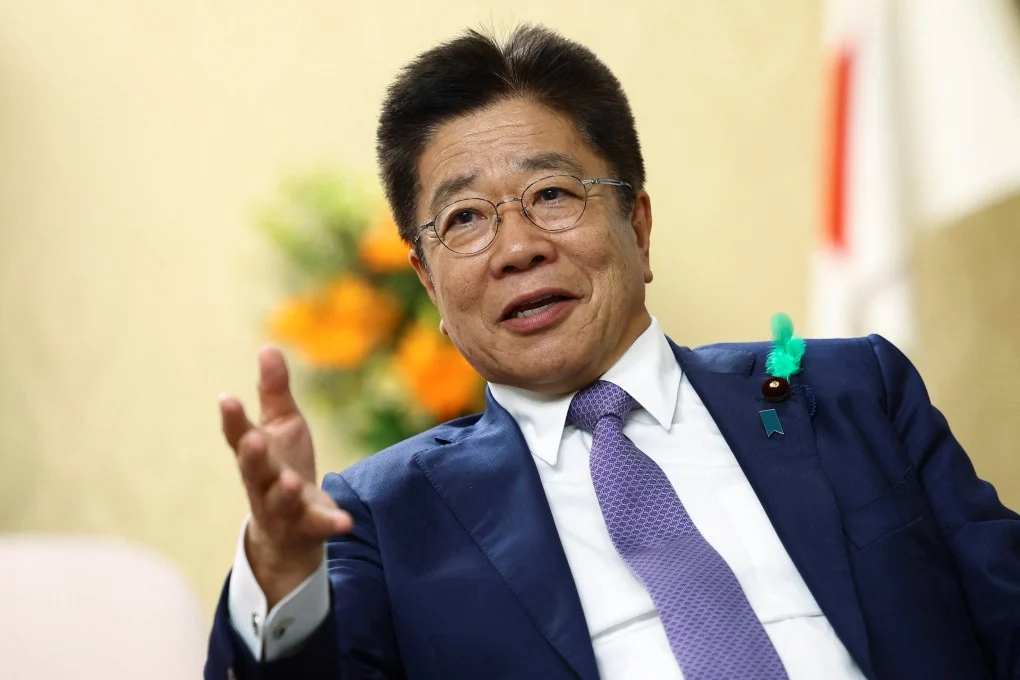
Japan’s $1 trillion in US Treasury holdings could be a powerful tool in trade negotiations.
Japan’s $1 trillion in US Treasury holdings could be a powerful tool in trade negotiations. To simply put, Japan can leverage its trading negotiation by selling off the US bond treasuries to the market. This creates more bond supply in the market, pushing the bond costs to drop and resulting in a higher bond yield. Although this could strengthen the USD, this also increases the borrowing cost and strains federal budgets, which Trump has been pulling all strings to lower, and what we have been facing with huge budget deficits from the past year. As per Reuters, “The U.S. Treasury sell-off was among the factors that led Trump to announce a 90-day pause on his ‘reciprocal’ tariff plan, with Bessent likely playing a key role, according to sources close to the White House.” So imagine if the inflation spikes while the interest rate is increasingly high for the consumer; one question is, will the consumer—not only US but global, survive?
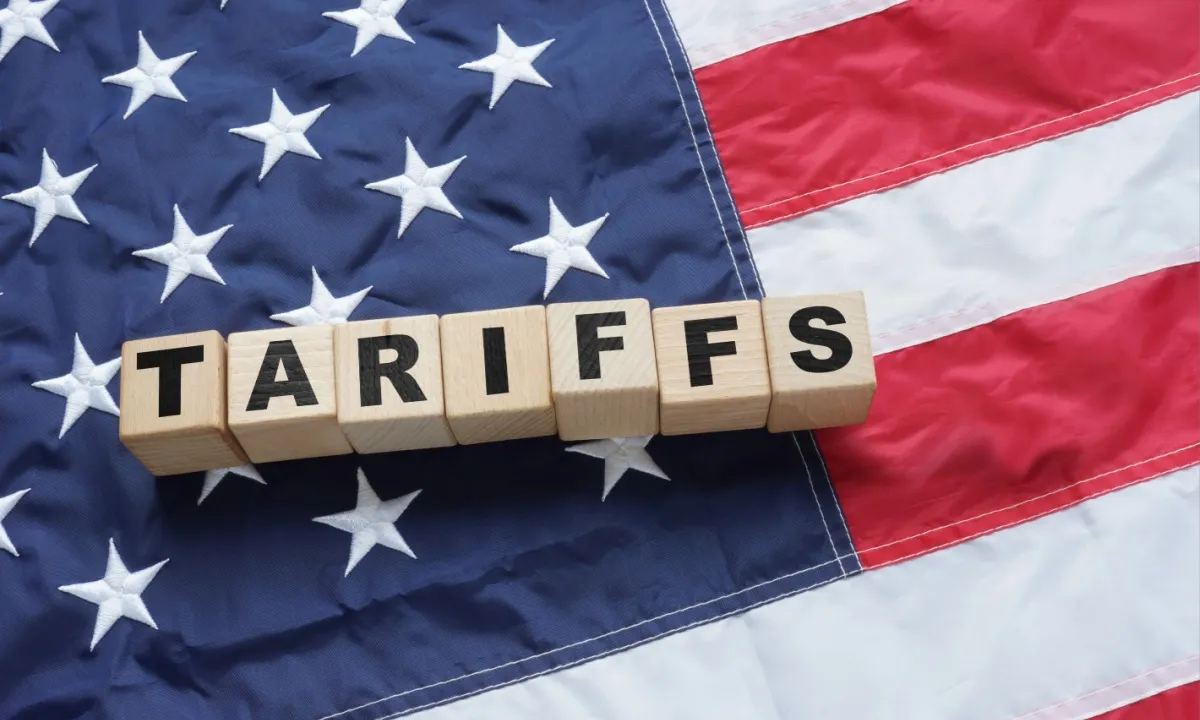
Tariff Fallout: Iran Sanctions, Inflation Risks, and The Bank of Japan Responses
President Donald Trump imposed secondary sanctions on Iranian oil purchases and threatened that “Whoever takes oil from Iran won’t be allowed to do business with the US.” And that came after secondary oil tariffs on Venezuela and other OPEC members in early April. The goal is to drive Iran’s oil exports as a major revenue source to zero, which could limit Iran’s ability to fund its nuclear development program and other activities. In fact, Trump has been putting maximum pressure against Iran since February and continued to negotiate over the nuclear program last month. Although we are unsure how this will turn out, one thing is certain: It would also lead to an escalation of tension with Iran’s major trading partner—China, which would strain relations between the US and China. Furthermore, both Michigan-based Anderson Economic Group and Ex Treasury Secretary Yellen have warned that the US economy could continue to face an “adverse impact” from tariffs. As a matter of fact, recent data are very supportive of rising more of inflation risk, while slower economic growth is very likely in the near term. Meanwhile, the Bank of Japan (BOJ) Ueda also noted that tariff changes would greatly sway Japan’s monetary policies. If the tariff drops to a low level or zero, we are likely to see a quicker rate hike from them. As of now, the BOJ is still uncertain whether to prioritize the economic outlook or inflation.
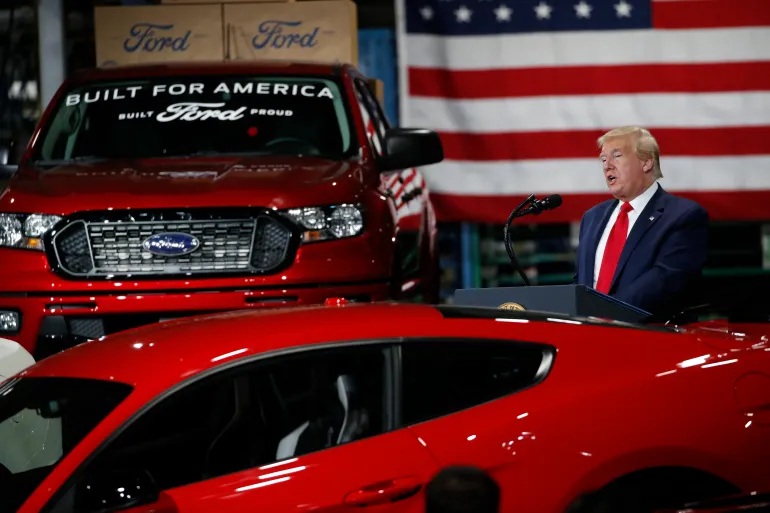
“A Little Relief”: Trump’s Plan for Automaker Reshoring Amid Uncertainty
Automaker After the discussion, Trump offered temporary relief to support their hiring and expansion efforts. He claimed that the relief would prevent penalties for companies unable to source parts, encouraging more U.S. production, which is known as “reshoring” manufacturing. As mentioned during his trip to Michigan, this was described as “a little relief” to help the industry invest in domestic manufacturing with the help of a tax deal. While details remain unconfirmed, sources like The Guardian suggest a potential two-year break for companies transitioning to U.S. production is likely. In fact, US Treasury Secretary Bessent also noted that a tax deal will allow consumers to deduct auto loans for U.S.-made cars. This policy aims to boost demand for American vehicles and position the U.S. as a global leader in auto manufacturing. While Trump has been praising investment to several key players in the market, including Nvidia, TSMC, Amazon, etc., Trump continued to criticize the Federal Reserve’s stance with the aim of bringing the interest rate lower. JOLTs Job Openings and Consumer Confidence Recent data from a dramatic drop in job openings and consumer confidence signals a weakness in economic growth. JOLTS Job Openings reported that job openings, which measure the number of job vacancies, dropped while the quit rate slightly rose. All this suggests that businesses are scaling back hiring amid economic uncertainty. Additionally, consumer confidence has weakened, further indicating potential challenges to economic growth.