
Federal Reserve Rate Cut Potential We are now witnessing above 80% bet on a December Fed rate cut bet once again, higher than the previous week at 30.1%, given how the leading candidate for the next Federal Reserve Chair is now likely to be Kevin Hassett. A little background, Kevin Hassett is now leaning toward easing the monetary policy, supporting Trump’s long-standing wish. So, having him as a frontrunner, the rate cut bet would also increase. Even JPMorgan also projects to see two more rate cuts in December and January with 25bps cuts each, according to the Bloomberg source. Lower rate cut → weakening the USD and boosting gold prices. Geopolitical Tension Meanwhile, the report also covered the uncertainty in geopolitical tensions, which is giving a heads-up for the market to price in gold as a safe haven asset since the early part of the week. Although the White House insisted on security guarantees for any final peace plan, the market is currently still doubting reaching the deal any time soon. Especially when Bloomberg reports released an $8.2 billion IMF deal with Ukraine earlier, aiming to relieve some challenges amid this prolonged war conflict, while Russia’s Ryabkov also raised some doubts that Ukraine has been receiving U.S.-made weapons and intelligence despite an improvement. Furthermore, Kremlin spokesman Dmitry Peskov also cited on Wednesday that “the negotiations were ongoing and the process is serious.” Looking forward to the US Envoy Witoff meeting in Moscow next week to further discuss the peace plan. Just remember More tension → push gold higher But if the peace plan proceeds well → gold can dip again.
US Nonfarm Payroll Tonight: What you should know
Ever since the US government shutdown ended, the market has had a very high expectation for tonight’s employment report (September) data, which had previously been delayed for weeks. Expectation: Nonfarm payroll data is projected to increase higher than the previous figure, while others are likely to remain unchanged this time. What does it mean? → A higher nonfarm payroll projection means jobs will be added by 53,000 in September, which could be seen as a positive message for the labor market conditions and possibly strengthen the USD currency. And combined with the recent cautious stances from the FED meeting minutes that stressed the inflation resurgence, if the data continues to support having a stronger figure, then this will continue to boost the USD while putting downward pressure on the gold prices. In fact, the current decline in gold prices due to recent rate cut bets reductions, which the market is now priced in at lower than 30% (down from 50.1%), signals the FED’s hawkish stance. However, if the data shows otherwise, aligning with WH Sr. Adviser Hassett’s projection on seeing a possible “60,000 job losses due to the shutdown”, then this will only soften the labor market conditions, add a boost to the rate cut back, while also likely supporting the gold prices.
Market Watch: Federal Reserve Minutes Released Tomorrow at 2 AM
Looking forward to the Federal Reserve Meeting Minutes Tomorrow at 2 AM, which will provide further direction on how the FED rate decision was made and their future guidance on the December rate decision, especially when the market is now pricing in less than 50% on the rate cut. Prior Recap: Despite the FED previously lowering the interest rate by 25 bps, FED Chair Jerome Powell also stressed the lack of data while hinting at a cautious approach to the later decision this year, all because of the previous US Shutdown that delayed the data.
Market Dose: What happened yesterday?
The most important part of yesterday’s price movement is the result of these events, particularly in the Federal Reserve, the White House, and the market after the US shutdown ended. The Federal Reserve and IMF Several FED members are now raising doubts over the interest rate cut in December, which all comes down to the inflation problem, despite some projected weakness in labor market conditions. Fed officials Daly and Hammack emphasized that inflation is still too high and that the central bank “still has work to do” to reach the 2% target. Furthermore, the IMF agrees inflation is on the path to 2% but warns of upside risks from factors like tariffs. Therefore, it is premature to make a definitive call on a December rate cut, with Daly stressing the “premium on waiting” for more information, while the IMF noted that the lack of data has complicated their assessment of the economy. The Whitehouse Meanwhile, the White House Senior Advisor Kevin Hassett disagreed on the idea of holding the interest rate, despite the warning of a 60,000 job loss projection due to the prior shutdown. With that being said, he also hinted at releasing the September job report next week while suggesting that the current CPI number still aligns with the possibility of more rate cuts. The Market Reaction So now, the FED Fund rate cut decision in December remained below 55% this time, with the other half standing for holding the rate. → Holding rate or receding the rate cut probability + US shutdown ended → push down the gold prices.
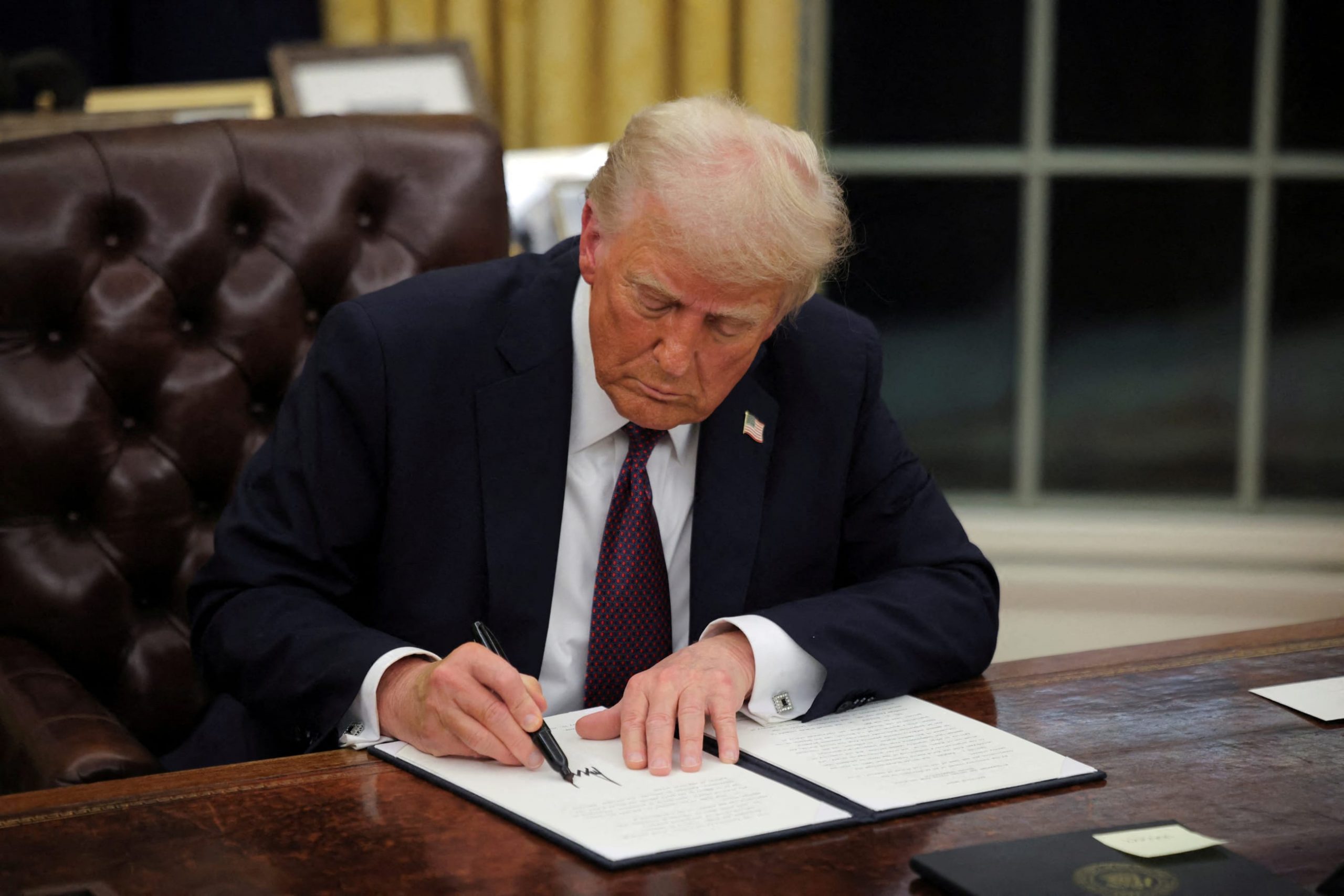
President Donald Trump signs bill to officially reopen the government, ending the Democrat Shutdown
US Shutdown Development US President Donald Trump claimed a big victory by officially signing the bill to end the longest US government shutdown that had hurt the US economy for weeks. And this shutdown is expected to slow down the GDP growth by 1.5% this quarter, albeit half of the money might be recovered early next year once the government starts up fully again and workers get their back pay, in accordance with the CBO forecast. The problem is that the new funding package only lasts until January 30, meaning there could easily be another shutdown fight very soon. And both parties hold no guarantee in securing the deal when this comes, especially when Trump has said he would rather change how the government pays for the health care rather than sign the subsidies into law. In straightforward terms Trump signed a temporary bill to keep the government running until January 30, 2026. And when this expires, Congress must pass another bill, or the government will shut down again. That is why there is a new forecast fight coming in January, and that is what is concerning. But don’t forget these, albeit some old updates
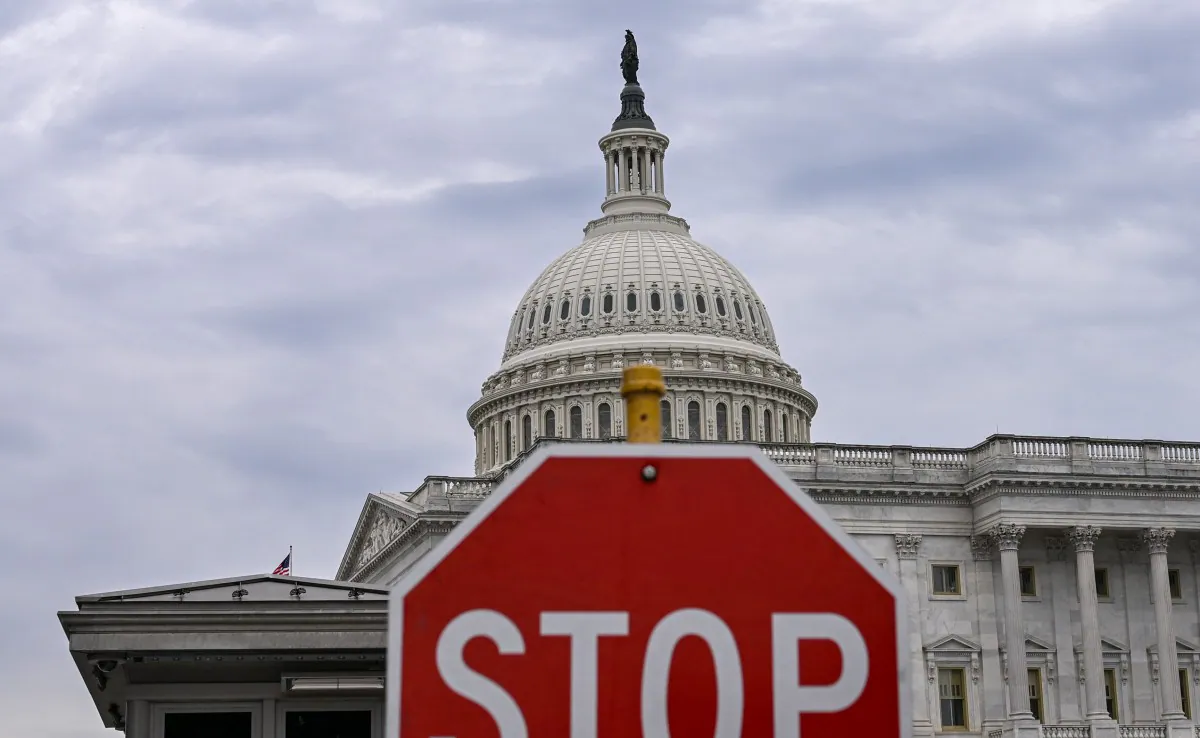
Market Talk: Possible end of the 40-day US shutdown and the Federal Reserve Interest Rate
Here is what we are focusing on: Possible end of the 40-day US shutdown Some Senate Democrats joined Republicans in voting to approve a funding bill aimed at reopening the Federal government, although some still believe that the shutdown is worth it to win over the healthcare bill. The bill has advanced to the House of Representatives for its approval. If passed there, it will be sent to President Donald Trump for his signature. According to CNN, the House will hold its initial vote as early as 4:00 PM US time on Wednesday. President Trump has also made positive statements suggesting the government could reopen soon. → This is a positive statement for the US economy; however, the damage is already done, especially in terms of flight cancellations or the labor shortage. If this continues to proceed negatively, the US might face further labor challenges. The Federal Reserve Interest Rate About a month ahead of the FED rate cut in December, the probability has been standing at 63.5% despite the FED Miran bringing a 50 bps rate cut to the table last few days. One blamed on weakness in the labor market, while another still sees some growth from it, suggesting that the Federal Reserve is still uncertain about the degree of the issue. This comes when they lack in data release due to the shutdown.
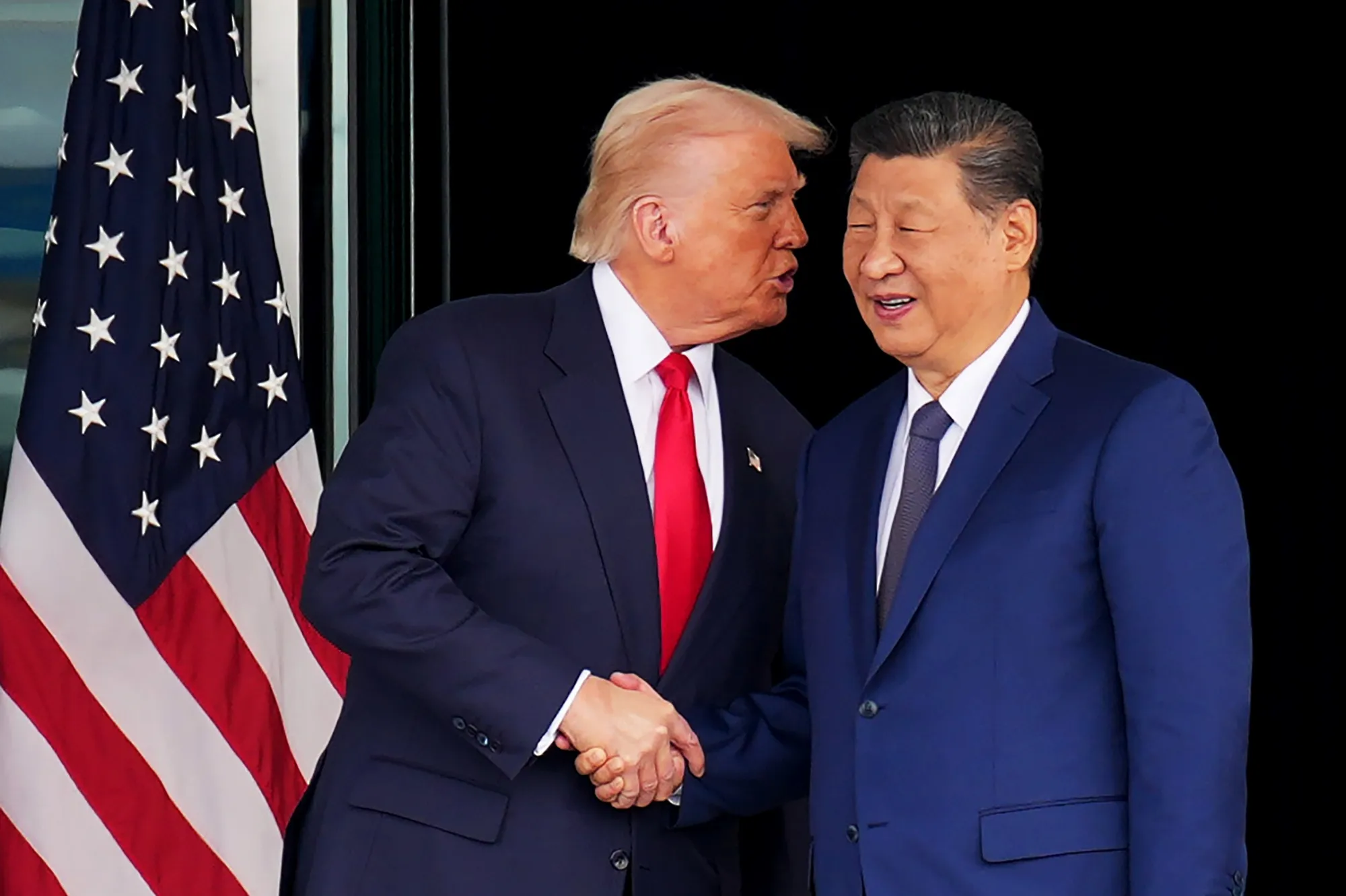
What you need to know: US-China Trade Truce, and Two Central Banks.
US-China Trade Truce Recap: U.S. President Donald Trump ended his meeting with Chinese President Xi Jinping as “amazing” and a “12 out of 10,” announcing a one-year trade truce that eases tensions over critical minerals, opioids, and agriculture. China agreed to suspend its October 9 export controls on rare earth elements, magnets, and other critical minerals for one year, ensuring “open and free” supply flows to the U.S. Meanwhile, Trump also slashed fentanyl-related tariffs on Chinese goods from 20% to 10%, effective immediately. This drops the overall U.S. tariff rate on China from 57% to 47%. Regardless, some analysts still see this as a temporary de-escalation rather than a comprehensive reset, especially given ongoing geopolitical conflicts. Further information: North Korea: No breakthrough yet; Trump said scheduling remains a hurdle. Canada: Trump described a “very pleasant conversation” with Prime Minister Mark Carney amid ongoing USMCA review talks. Russia: Trump revealed ongoing U.S.-Russia discussions on “denuclearization,” expressing hope for a “tremendous” de-escalation involving the US, Russia, and China. The Central Bank Following the FED rate cut yesterday, both the Bank of Japan and the European Central Bank maintained their interest rate unchanged this time, with one adopting a less hawkish tone and another saying “From a monetary policy point of view, we are in a good place,” as per the ECB chair Lagarde.
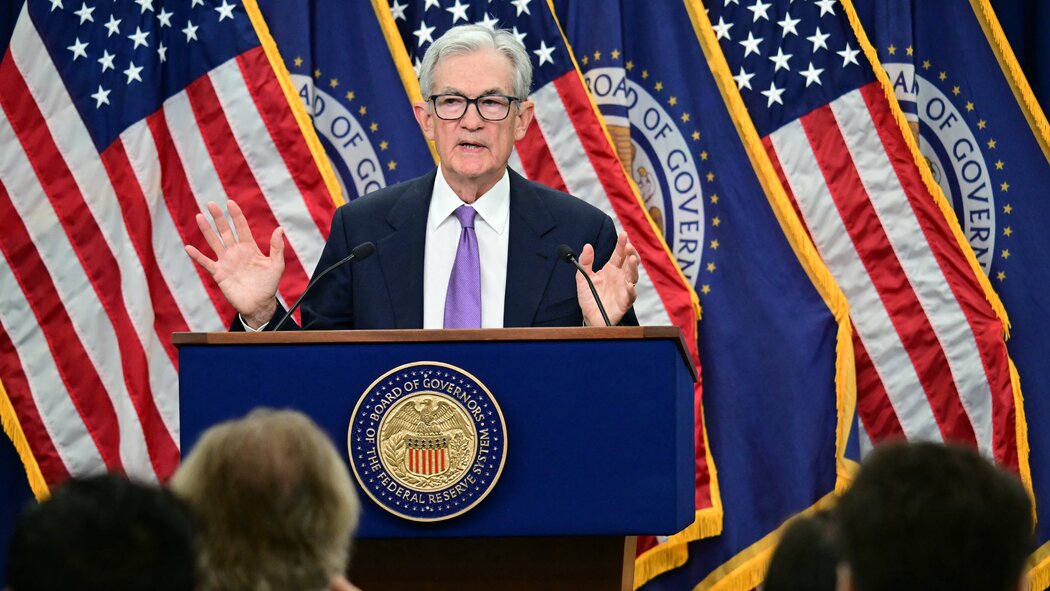
The Fed Meeting: Key Takeaways and the Path Ahead
The Federal Reserve just confirmed its second interest rate cut of 2025 by another 25 bps, down to 4.00% earlier this morning. And here is the summary of the FED decision. Despite the rate cut, the market seems to hate today’s FED speeches, which drag the gold prices by almost 2%. This comes after the FED chair Powell said, “a further reduction in the policy rate at the December meeting is not a foregone conclusion.”, down the FED rate cut in December projection from more than 80% previously priced in to 60% the current one. → signs of lower rate cut probability → gold price down. Looking Forward: Extra: The post below comes around 8 am in Cambodia time, which also raises some tension right before the meeting starts. But if the meeting goes well → depreciate the gold price. Bad meeting → appreciate the gold price.

Market Talk: Russia-Ukraine Conflict, and US-China Development
Russia-Ukraine Conflict: Sanctions & Oil Prices Tensions have risen after President Donald Trump imposed sanctions on Russia’s top two oil refineries, which Russian official Dmitry Medvedev called an “act of war.” President Vladimir Putin warned that the sanctions would not just harm Russia’s economy but would also cause global oil prices to spike, leading to inflation, as Russia and Saudi Arabia are major exporters. Meanwhile, the White House also stated that “It is up to Trump if there will be more,” saying that if Russia continues to reject the ceasefire agreement, US President Donald Trump will continue to pressure through sanctions. As a result, the planned U.S.-Russia summit meeting was postponed by both parties. Meanwhile, the EU is very happy with Trump’s decisions this time, while Ukrainian President Volodymyr Zelensky is now seeking long-range weaponry from the EU leaders and the use of frozen Russian assets to boost weapons production. US-China There is not much development on this trade war, except for reclarifying the meeting date, which both US President Donald Trump and Chinese President Xi Jinping are scheduled for next Thursday. Recap other Trump tariffs

What to Know: US-China development, sanctions on Russian oil, and Ukrainian missiles.
US-China: High anticipation is built upon the US-China meeting next week, which some have reported already signaled several positive outlooks on this matter. This will focus on resumed soybean purchases amid a plan to discuss China’s purchases of Russian oil. A required pressure to end the Russia-Ukraine conflict. ***China is also one of the biggest Russian oil purchasers.*** Russian Oil: President Donald Trump also imposed the sanctions on Russia’s major oil companies (Rosneft and Lukoil) as Russia conducted a major training exercise involving nuclear arms—a move that suggests Russia does not want to end this conflict. Therefore, Trump is reported to have canceled the meeting because “it didn’t feel right to me.” In accordance with the US Treasury Secretary Bessent, “We will announce the Russia sanctions today or tomorrow,” sending more pressure on Russia. Ukrainian missiles’ approval: Additionally, President Donald Trump also clearly rejected “the approval on using the long-range missiles deep into Russia” on his Truth Social by calling the Wall Street Journal story fake news. This report came after the WSJ reported on the US’s grant of greater flexibility to conduct Ukraine’s strike on Russia. So the question here is, did this misunderstanding cause the uproar and push the gold prices higher last night?